
Jodee Nimerichter
The ADF director reflects on the festival’s history and envisions its future.

The 2026 American Dance Festival will highlight several milestones—the 100th anniversary of the Martha Graham Dance Company, Shen Wei’s 20th festival appearance, the nation’s 250th birthday as orchestrated by Mark Morris. It will also be the first festival since the death of director emeritus Charles Reinhart last July, at age 94. A profoundly influential figure over his six-decade career, Reinhart was the first manager of the Paul Taylor Dance Company, and as the ADF’s director from 1968 until 2011, he helped popularize modern and experimental dance worldwide.
This ADF season, running May 27 through July 25, also marks Jodee Nimerichter’s 15th anniversary as director, and her 35th year of association with the festival. Nimerichter started as an intern in ADF’s New York City office in 1991, while majoring in arts administration at New York University. Except for a few years in television production, she has devoted her entire career to ADF, working closely with Charles Reinhart and his late wife, Stephanie Reinhart. In 2008 Nimerichter moved to Durham, North Carolina, where the festival has been held, on the Duke University campus, since 1978. (it originated at Bennington College in 1934). She was named director in 2012.
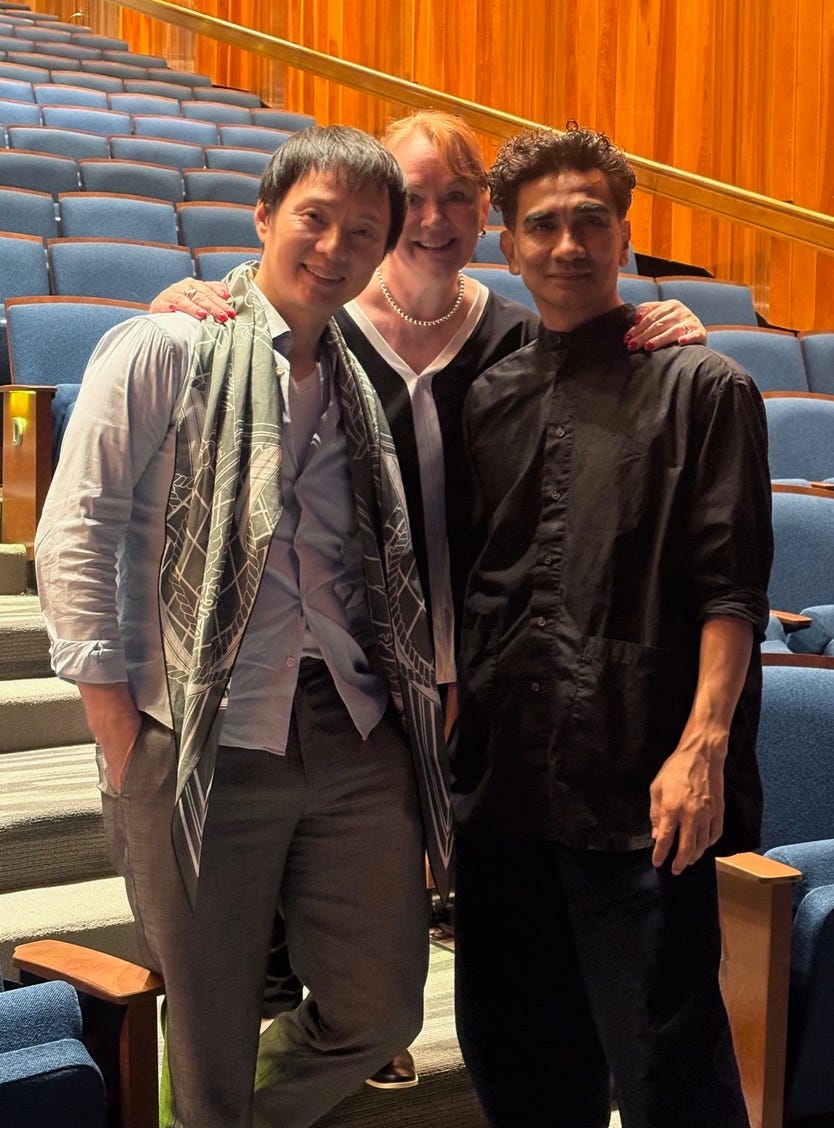
Nimerichter acutely feels the loss of Charles Reinhart, her mentor who became chosen family, and this year’s programming honors his legacy while also looking toward new horizons. In this conversation, she reflects on her unique relationship with the Reinharts, the ongoing relevance of the Rotary Club and the holy grail of attracting new audiences.
Follow @amerdancefest and @jodeenim on Instagram. For American Dance Festival tickets, click here. And follow me @claudiabauer101 on Instagram.
CB: How did your career at ADF grow and evolve over the years?
JN: I got an internship in 1991, in the fall of my senior year, and they hired me as an assistant in the spring of 1992. I worked with Charles and Stephanie Reinhart, very, very, very closely, because we were in a four-person office in New York, while everybody else was in Durham. I was able to hear, listen and learn because we were in a very tiny office, so they kept giving me more and more responsibilities, and then I worked with the international programs.
Then they got funding to do a three-hour television performance documentary, Free to Dance. They let me be part of a whole new team that was hired to produce it. Then an opportunity came up, and they championed my leaving—I went to work at Dance in America for Channel 13, and ironically the public television station that Free to Dance was supposed to go through fell through, so that landed on my lap at Public Television, so there was continuity.
Tragically, Stephanie Reinhart passed away from leukemia [in 2002]. Charles asked me what I wanted to do with my life. I loved the experience in television, but I missed being directly connected to the artists. So I came back to work with him without really having a job description, but pretty much knowing what he needed and wanted me to do. I think it was in his mind that he was grooming me to be director with the full knowledge that it would not be his decision, it would be the board’s decision. Then in 2008, before he retired, I offered to move to North Carolina, because no director had ever lived there. While I was not director yet, it felt like the right thing to consider doing, regardless of what might happen with my career. It was a great move for the festival to have somebody anchored here in a leadership role.
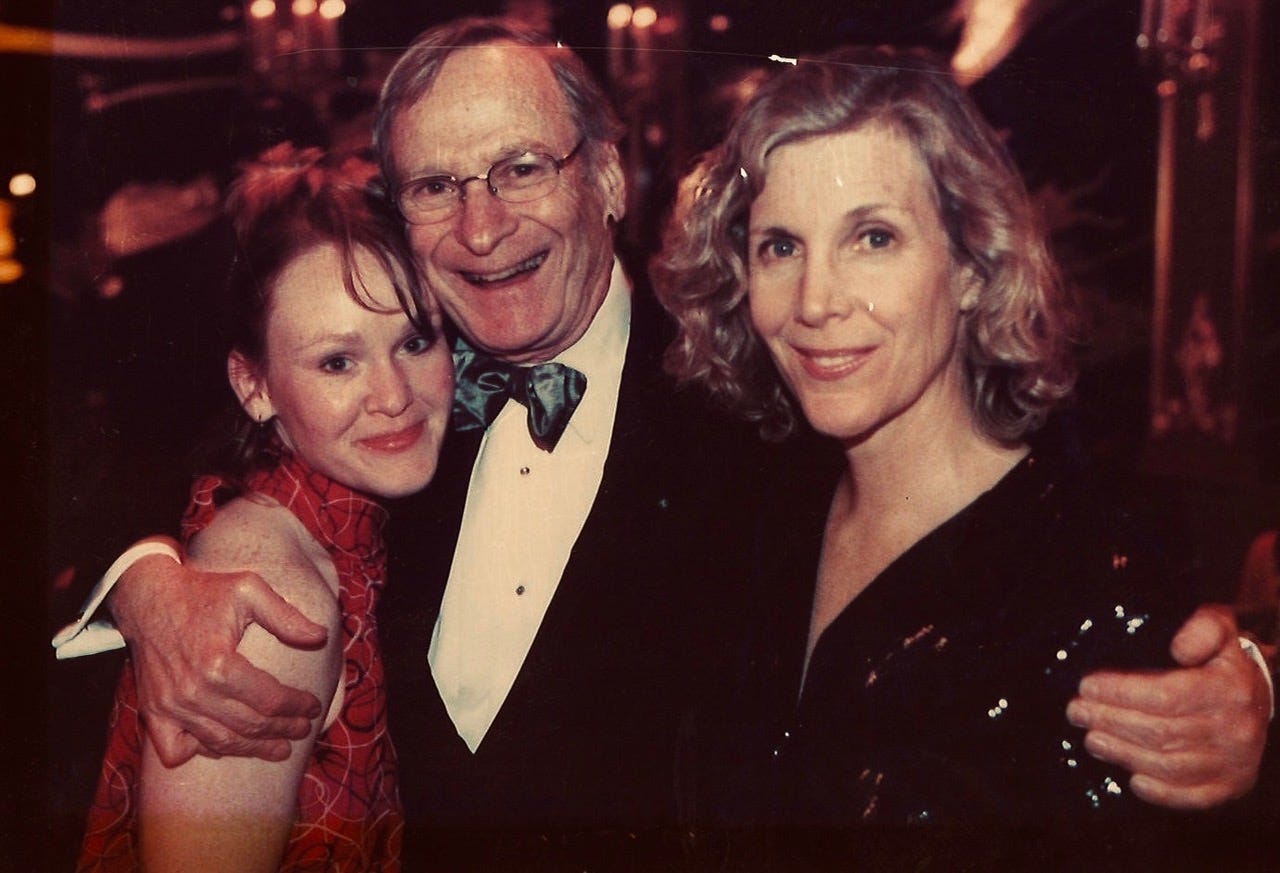
The older I get, the more I understand that mentorship is incredible. I’m so grateful that the board did look internally when Charles was retiring, because so often that’s not the case. And while ADF could have thrived—maybe it would be better, maybe it would be worse, who knows?—I understand the mission and care deeply about the history as much as pushing it forward. I just think that sometimes the caliber of internal people can get overlooked.
CB: Your relationship with Charles Reinhart was professional, but it was also very personal.
JN: Charles was hugely influential in my career, but he became family, I would say, without being tied by blood. You’re living, breathing and committed to something you both believe deeply in, and spending so much time together. I think it was amazing that he could share experience and provide opportunity despite our 40-year age gap. I will always honor the fact that he allowed us to disagree and talk through why we both thought different things, and get to a place that we both thought was okay. We might have had stronger convictions one way or another, but the generosity of a mentor seeing someone transition into more of a leadership position and be on equal, although different, footing because of our experiences, and to treat me as a colleague—I’ll be forever grateful for that.
CB: He was two generations older than you, but he strikes me as very hip. He knew what was happening on the scene. And he seemed like a very open-spirited person. What did you learn from him about working with different kinds of people?
JN: Another great attribute about Charles is that when he wanted to understand something, he would obviously talk to Stephanie and other people, but he always would be like, let’s get the youngest person in the office and talk about it, because he did want their point of view. He came with wisdom, but the world is constantly changing, so he was inquisitive to the younger people in the office. It’s not always going to get implemented, but having perspective and understanding—he was open to it all the time. In my role now, I understand that you’re not trying to micromanage people, but if you don’t have the information or the knowledge of what’s happening, it’s very hard to build upon it. He was really good about that, and he did want control too.
It’s so complex, our relationship—not in a bad way, but it would be very hard to fully describe. I think that in fairness to him, in fairness to me, we were the right people to come together. I don’t think many people would have stayed as long as I did, working in the capacity as generously as I feel comfortable saying that I did, without saying, “I want your job,” or “I think that I should have your job” or “I can do your job.” We were real partners, and I respected his history and everything he did, and learned from it until it was the right time for him to retire. And he made it very clear to me he was not retiring until he was 80. So there was generosity, but there was also clarity: “You need to know I’m not retiring until I’m 80.” There was a clear line, and he wanted me to know it, but then he gave me so much permission to be part of it.
CB: Two strong personalities with a lot of vision trying to navigate this huge endeavor together.
JN: Yeah. I think we worked well together because he knew I respected him, and I knew he respected me, and I wasn’t looking for his job.
CB: You become director in 2012, and you have your own vision for ADF. Where have you been taking it?
JN: I tried to envision what opportunities hadn’t been explored as much. So I asked if I could move to North Carolina, and I hyperventilated as I said it, because I didn’t really want to leave New York, but I felt like it was the right decision. I also felt like it would continue our strong relationship but also give me an opportunity to find community in Durham in a way that could be strengthened. Because no leader had lived there year-round to build networks outside of the intensity of the festival. I think that’s probably the strongest, newest thing that I’ve brought to the festival.
CB: Hearing you say it, it seems like the most obvious choice in the world, because why wouldn’t you want to build community there?
JN: When I brought this idea to Charles, he was like, oh my god, that’s amazing. I think he never really wanted to leave New York City. Charles didn’t get everything right, and I think at the time it was possible to [run the festival and] not live in Durham. But now, there’s so much happening that there wasn’t in the early years. So I’ve been able to make deeper connections. I’ve been able to strengthen fundraising. I met somebody through the Durham Rotary Club—because people said, “You have to join the Durham Rotary Club”—it was the incoming president. We went for a lunch, and within a month he was developing a property three doors down from our [previous] offices. The top floor had not been spoken for. We were able to get funding and strike a deal.
So, for the first time in ADF history, we have year-round studios, and we have a building that has the ADF name on it—which, crazily, is important, because many people only consider ADF a summer event even though we are doing things year-round. We are anchored in the community with pride in a different way, better than just being here for the summer. We are committed to providing all kinds of resources for the community. We can do year-round classes for all ages. We have a Parkinson’s movement initiative. We do residencies. We help the local community with showings and national artists, outside of the festival.
CB: Yeah, if you’re just doing the festival in the summer, it could seem like you’re taking advantage of the resources of the community and not giving back. But you’re invested in a thriving community as a whole.
JN: Yeah. Because if you want to grow, you have to give. It has to be reciprocal in some way. And community is just incredibly important to me. Because we don’t have newspapers to help promote what we do, all the ancillary things throughout the year help keep the word of mouth going to make people excited about the next season, and to build new audiences.
Like with the building. As I said to the person who was developing it—who then became a board member, and had not really come to ADF very much, but now is entrenched in it and loves it—the bottom floor was already spoken for, and in one way I was sort of disappointed, but in hindsight it was the best thing that we only took the top floor. Because there are businesses [on the ground floor], there’s a coffee shop, so we have people coming into the building who have no idea who we are, and by default of being there, they’re introduced to us. We have a long way to go to further develop it, but it’s been a very positive space. Charles and Stephanie, to their credit again, took the festival international at a time when that was really feasible and hadn’t happened yet. We continue to do that to as much as we can based on funding, but trying to find the things that haven’t been explored deeply is my goal.
CB: They took it international, and you’ve taken it hyperlocal.
JN: Exactly.
CB: What is your vision for the festival artistically?
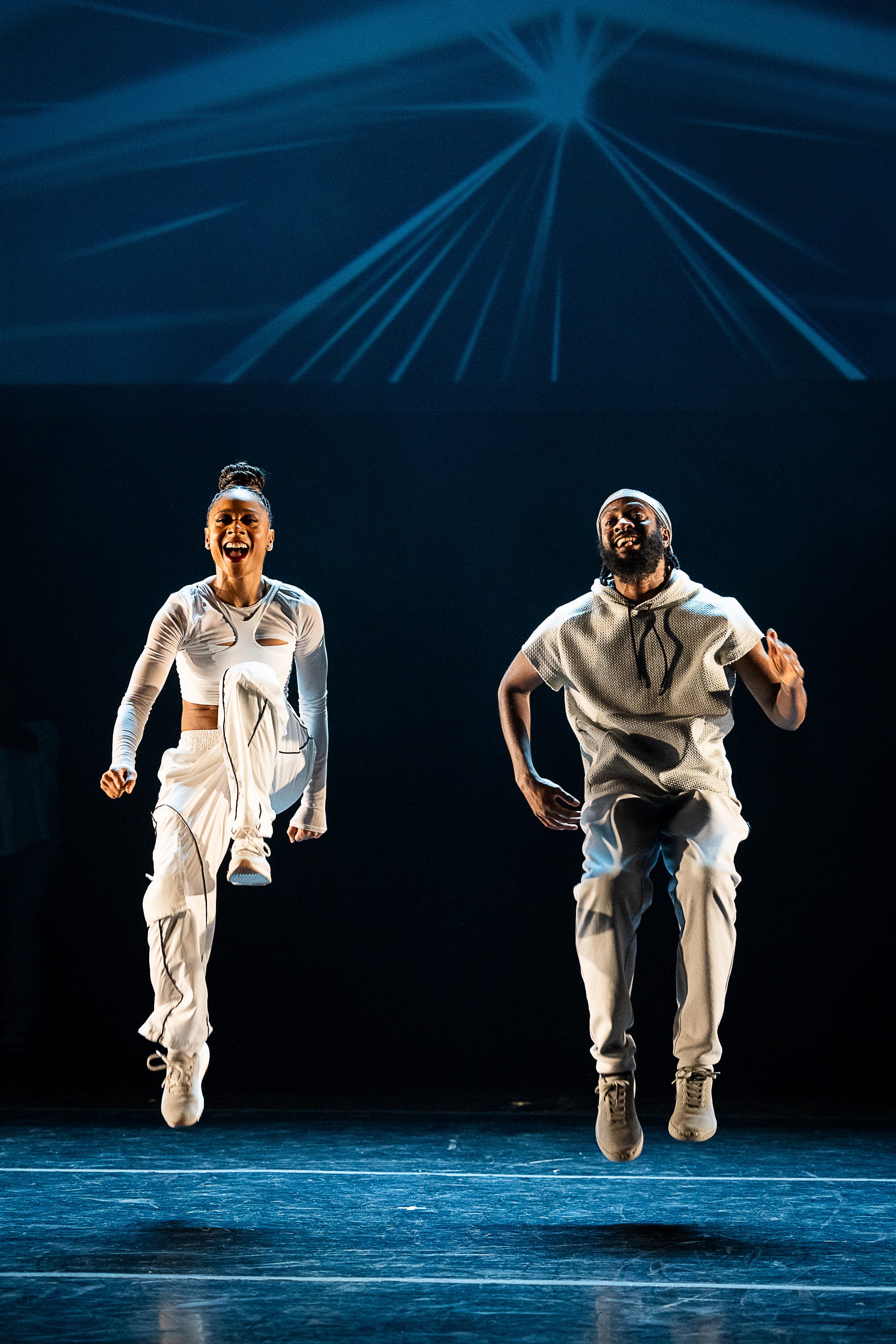
JN: I definitely learned, and I hopefully demonstrate it through the programming, that we are really a contemporary modern dance festival. We do show dance that’s rooted in different traditional dance forms, because that’s where modern dance comes from. We don’t do classical ballet, we do a little bit of contemporary [ballet] sometimes, but the focus is modern and contemporary dance. The model that I was raised in is to showcase the widest range of possibilities and highly crafted works by artists that we think need to be shared and promoted—a diversity of works and people, all ages, points in their career, different nationalities, tons of debuts, trying to continuously commission new work, bringing spotlights to all kinds of places, both in theaters and in navigating performances to new locations.
We are also providing platforms for the North Carolina dance community to become part of the festival in a deeper way. This will be the fifth year of a program called Made in NC. We commissioned four North Carolina artists to make a new work and present it in the theater, and we have a new partnership as of last year to redo an encore presentation in an outdoor amphitheater in Cary. Many North Carolina or regional or local artists believe very strongly that they should be part of a presenting season, but they’re often the first group of artists that are overlooked, so I’m trying hard to include them. They deserve to be, and if we can demonstrate that they are valued, I think they’ll want to become more part of the festival as a whole.
CB: Tell me about The Marthaodyssey, the tribute to Martha Graham and Madonna by Jesse Factor that you’re presenting on June 17—it sounds like a scream.
JD: We wanted to somehow pay respect to Martha Graham in the hundredth year of her company. She is a founding choreographer of the festival, and Madonna was a student at ADF in 1978. I saw The Marthaodyssey in New York maybe a year and a half ago, in a small theater on the Upper West Side. The audience went crazy. Jesse Factor, a former dancer with the Graham Company, does Graham in drag. It is joyful. The music makes you want to get up and dance. It feels like an amazing way to open our season and to honor Graham.
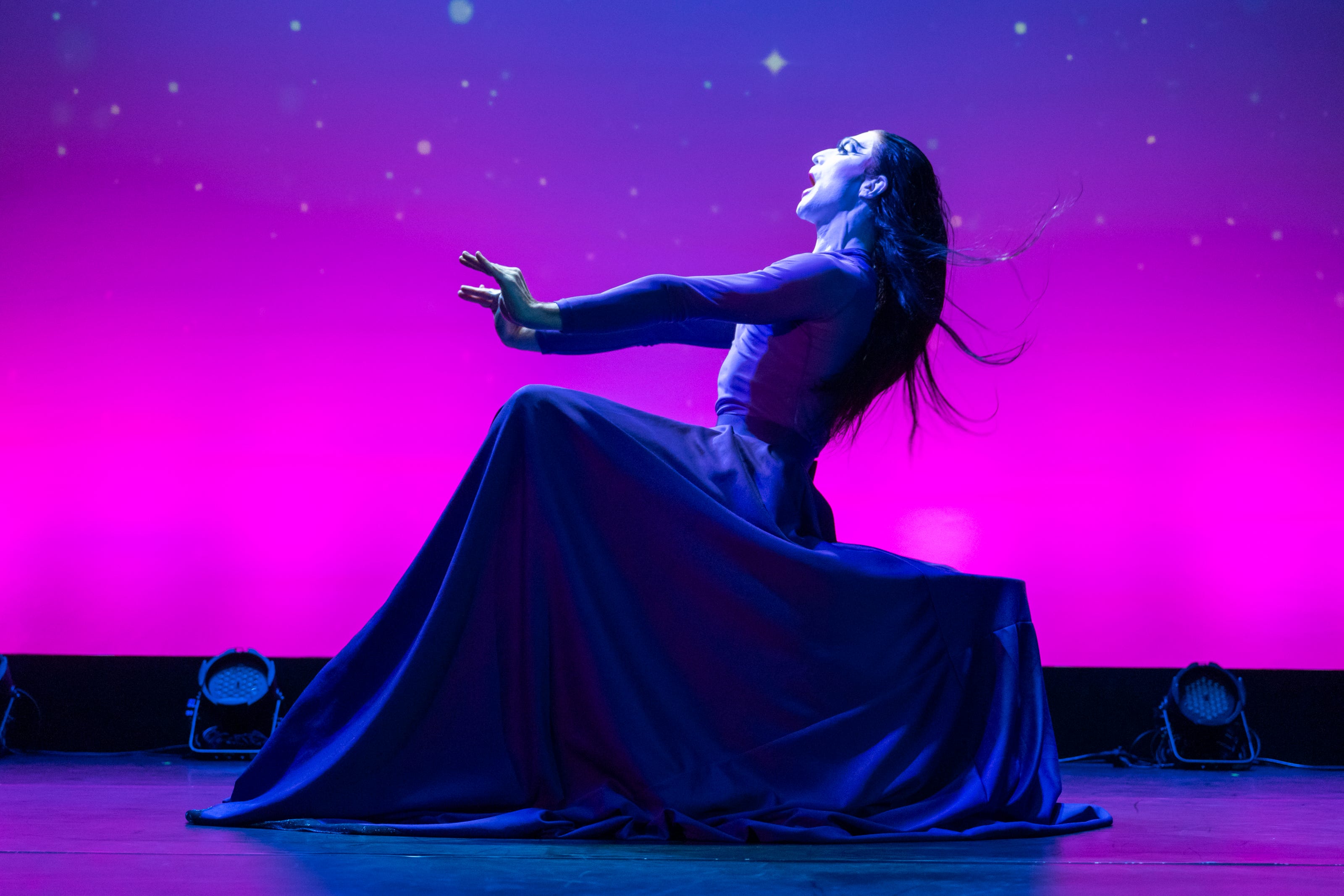
Also, we try more and more to have auditions when [ADF] artists want to work with North Carolina community members. So Jesse had an audition, and I think there’s somewhere between 11 and 13 community members who will get to play a small part in his piece. We’re trying to find funding so that not only do people in the community get to participate in different ways, but we can give them at least an honorarium so that they are paid artists and can be part of the season.
CB: This year’s festival honors Charles’s legacy, but it’s also about moving forward. How does the programming embody that?
JN: Charles was always looking at the wider field and promoting who he felt were the most talented choreographers of our time. He had a very deep relationship, as you know, with Paul Taylor and the Paul Taylor Dance Company, so this year we are not only presenting the company, but also co-commissioning a new Taylor work by Pam Tanowitz. What’s exciting about that is that she is an ADF alum. Charles was always looking to make sure that the most amazing classic works continue to be presented, because new generations deserve to see those great works, but we always have to keep investing in new work. That program really celebrates him and his legacy with Taylor.
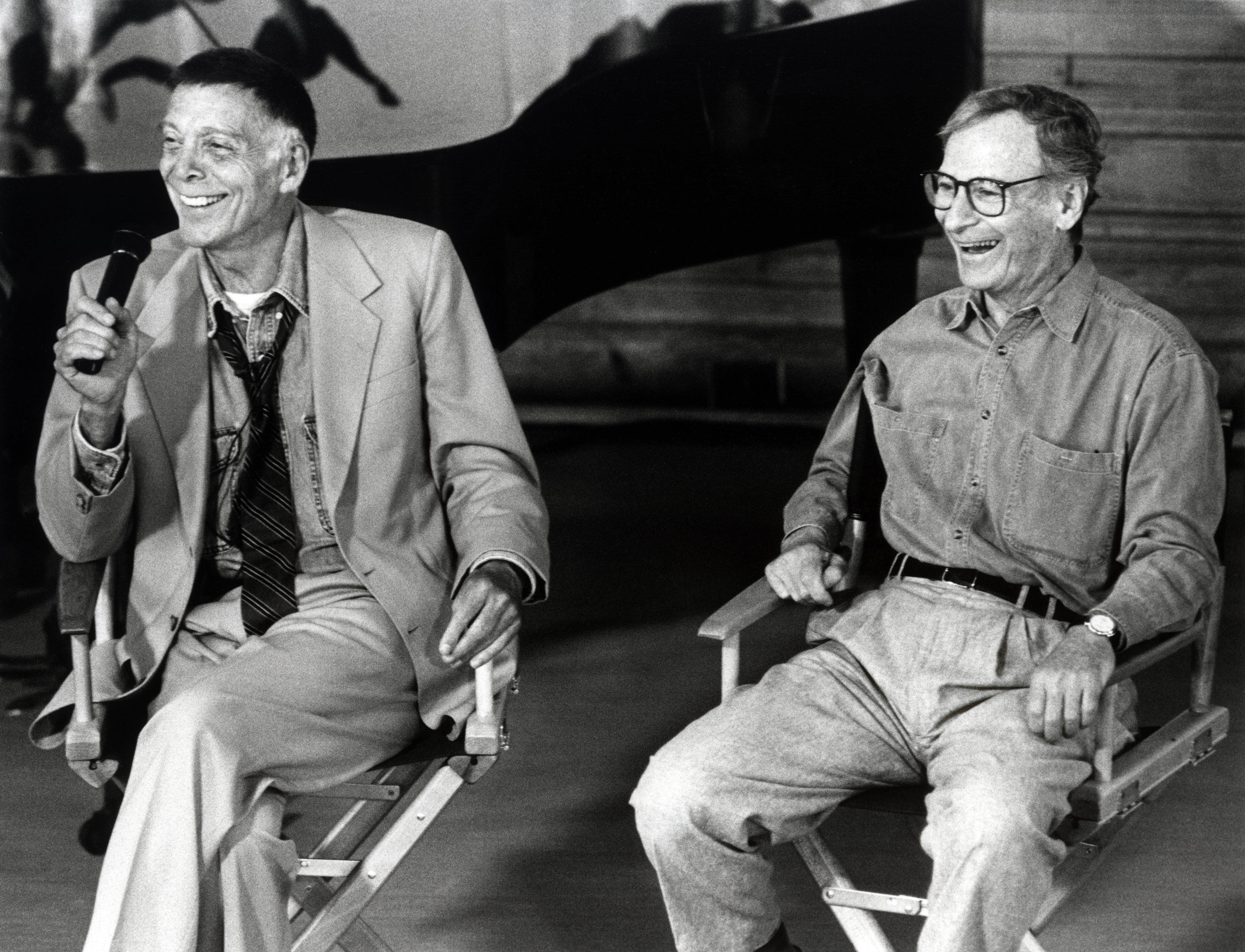
And then immediately afterwards, which is sort of serendipitous timing-wise, is Shen Wei, one of the last artists that Charles really stood behind. The festival has had a long relationship with Shen Wei. He was part of an educational program that we did in China, and then he was a founding member of the Guangdong Modern Dance Company, which was an outgrowth of that ADF project in China. Then he came to ADF in 1995, and he formed his company at ADF in 2000. Charles was on his board. This year we’re co-commissioning a piece that he is making with members of his own company and members of the Guangdong Modern Dance Company, and it will have its US premiere at ADF. So, to me, that those two performances will be a moment where people can really celebrate Charles.
We close our season with Pilobolus, which has a long history at ADF and a long history with Charles. They will do various works, including a work by Martha Clarke, who Charles was also very close to—[Executive/Co-artistic Director] Renée [Jaworski] is going to perform Nocturne, one of the pieces that was performed on Charles’s celebration of life gathering at the Joyce. Then there’s Bill T. Jones and Mark Morris, and they’ve had a long relationship with the festival.
There’s all these younger people pushing the artwork forward, which Charles was also about. Camille A. Brown, Monica Bill Barnes, Kimberly Bartosik, Tere O’Connor. I think this season is anchored both in Charles’s investment in history and making sure that great works continue to be seen, and then making sure that ADF stays committed to providing support for artists to make new work. They might not all be successful, whatever that word means, but without the money and the resources to try and experiment, the art form will not go forward.
CB: How do you envision ADF’s future?
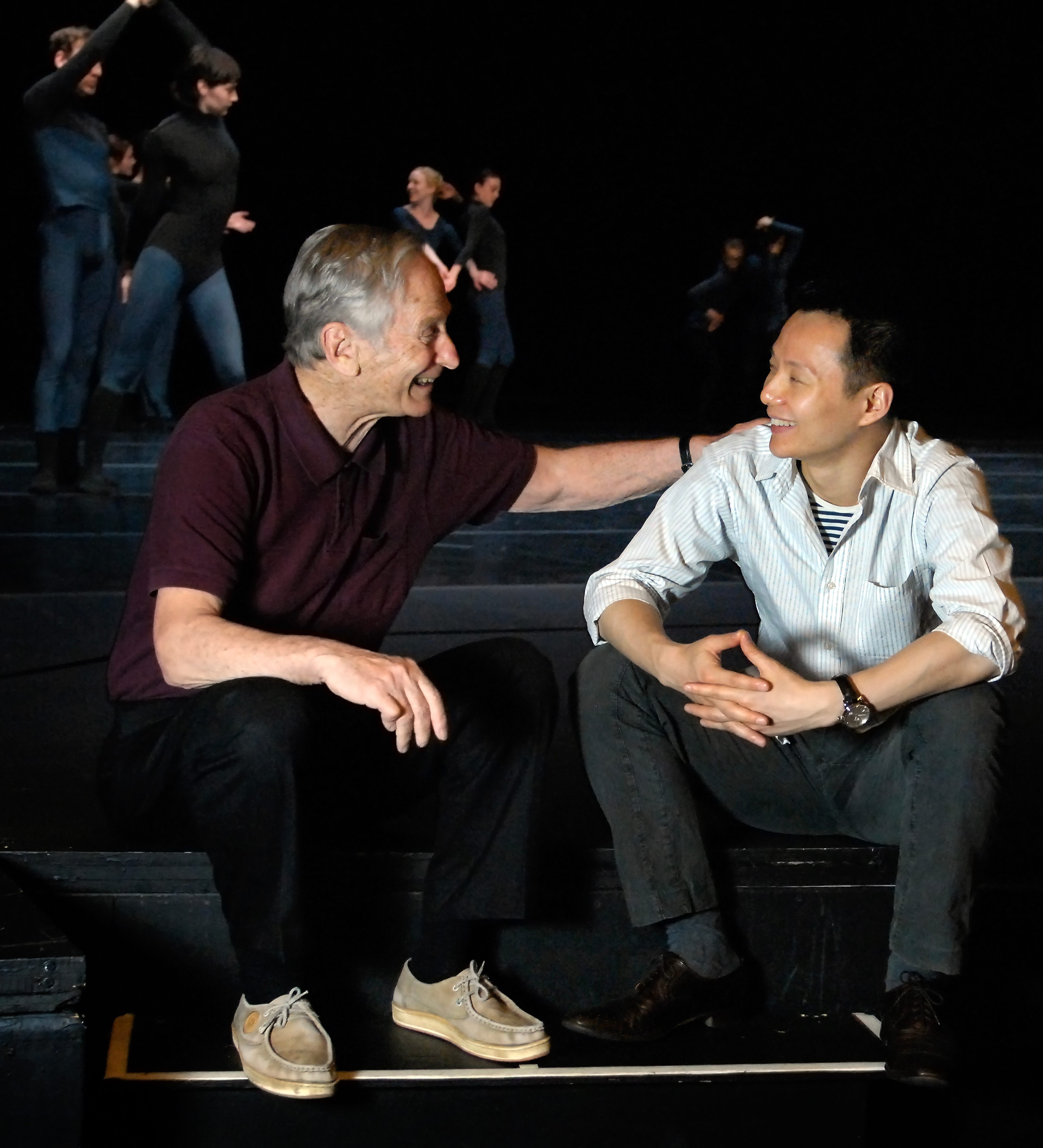
JN: I’m not sure that I’m trying to change it too much, but I’m also looking for creative new projects. Carl Flink [of Black Label Movement] came to me with this idea about building a big pit and putting dirt in it and having a piece performed, so we found a blueberry farm and created this outdoor performance space. We try to find creative, interesting ways to share dance with a new generation of people who are looking for experiences that aren’t just sitting in a theater. There’s so much change—I can’t even believe all the change that’s happening. We’re constantly in a moment of what’s working, what’s not working, what’s working, what’s not working. We just have to keep pushing the possibilities and find ways to engage younger people. We have to get them in the door. And if we can’t get them in the door—
CB: Then maybe you can get them to a big hole filled with dirt.
JN: Exactly. Why not?
CB: I can’t think of a good reason.
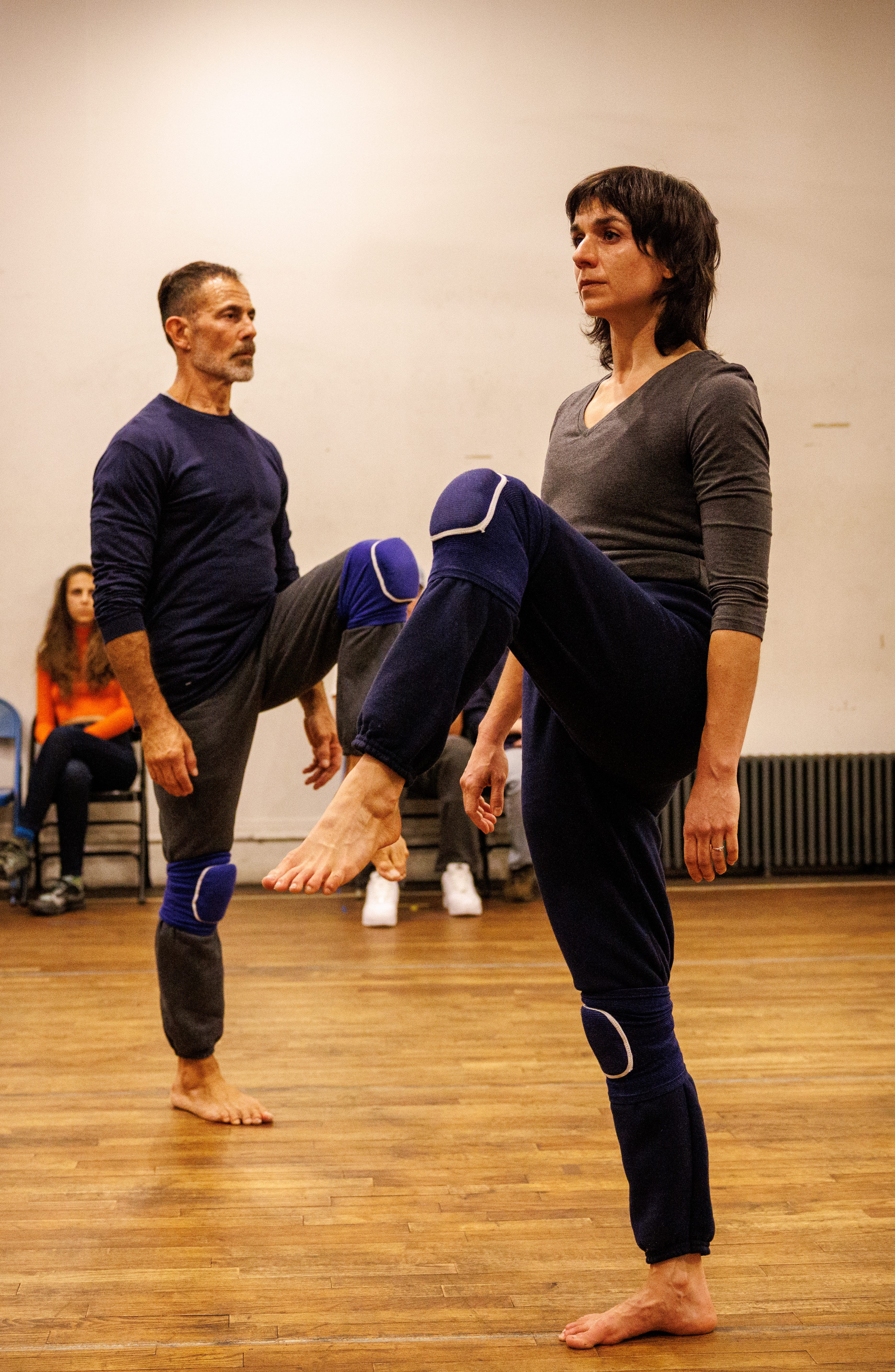
JN: I think that they’re intrigued in a different way. It doesn’t mean better, it doesn’t mean worse, it’s just that they’re wired in a different way. And the other thing is, we have our beautiful studios, so now for more intimate shows we can actually do them not in a theater, but in our studios. So we’re going to open with Wally Cardona and Molly Lieber doing [Times Four], this amazing David Gordon piece that was done 50 years ago, that they brought back to life. It was [originally] done in David and Valda Setterfield’s loft space in New York. The loft matches the layout of our studios, which is amazing—three walls and a whole wall of windows. By doing the performance there, again it allows people to come into the building and see all the other things we offer.
CB: Any final thoughts?
JN: I can’t think of a more challenging and more rewarding career than working with these amazing artists. Their work is my work is my work, but their work will hopefully stand the test of time and allow us later to look back and see what’s been happening in a specific era.
For more information about ADF and tickets to the 2026 season, visit AmericanDanceFestival.org.