As executive searches go, finding the right person to helm a prominent dance film festival has to be one of the more challenging quests. LinkedIn isn’t exactly saturated with people who have fluency in dance and cinema, dedication to community service and demonstrated business savvy, who are also looking for a big job in a small arts niche. But Garen Scribner is one of those rarities, and he was named artistic director of the San Francisco Dance Film Festival in January 2025, after spending a year as its managing director.
Scribner’s résumé seems tailor made for the role. After 17 years as a soloist with San Francisco Ballet and Nederlands Dans Theater, he starred as Jerry Mulligan in Christopher Wheeldon’s production of An American in Paris on Broadway and the national tour. He created the television shows And the Nominees Are and the Emmy-nominated Broadway Sandwich for New York Public Media, and he produced the documentary feature Tiler Peck: Suspending Time for Great Performances on PBS, winning a 2026 Emmy for Outstanding Arts and Culture Documentary.
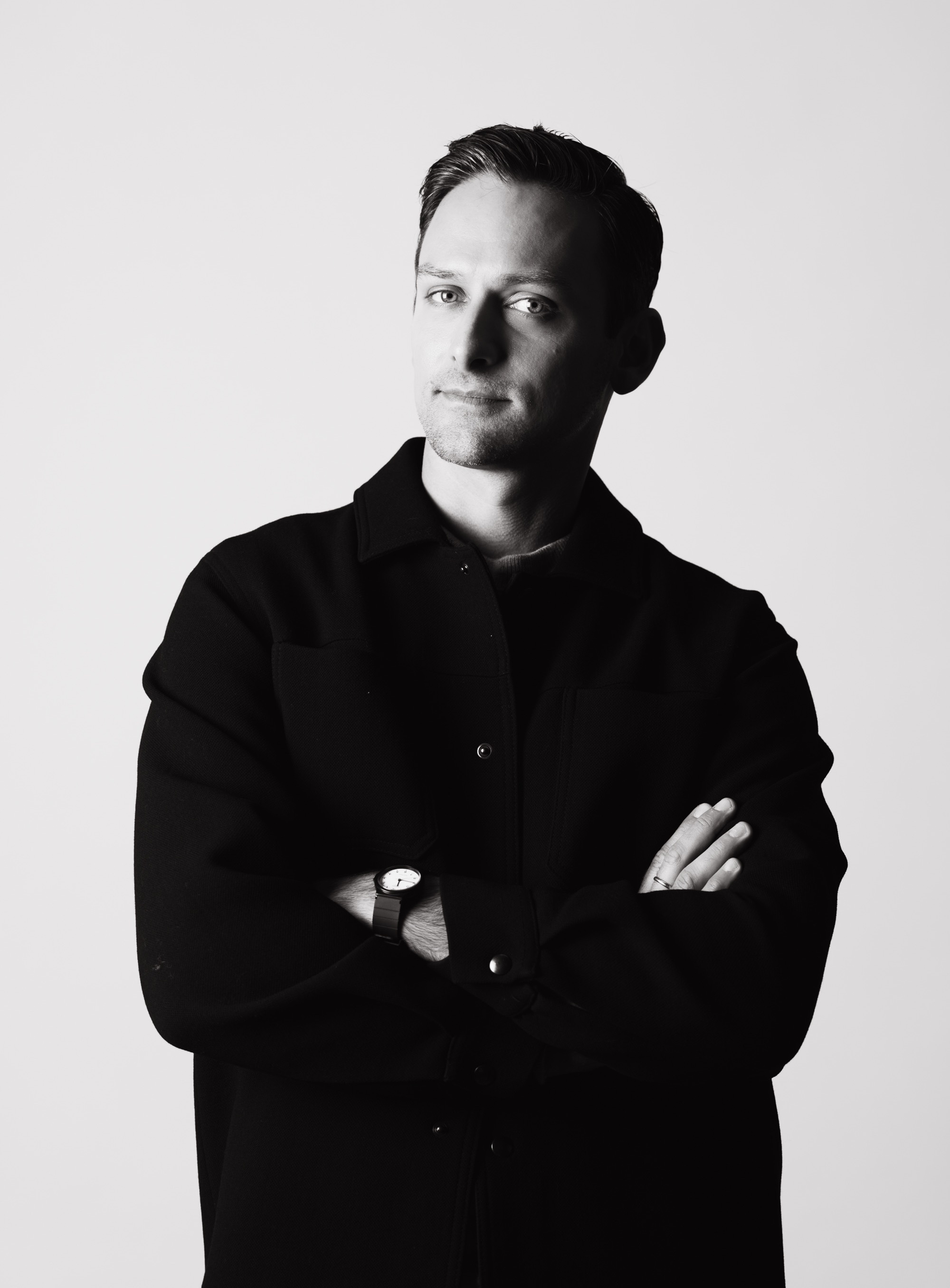
In 2012 Scribner cofounded Dance for a Reason (DanceFAR), an annual benefit gala performance that raised more than $500,000 for Bay Area nonprofits, and he later earned a Master of Public Administration from the Harvard Kennedy School of Government. And all the while, Scribner, who lives in Santa Monica, has been running his management firm Pilot MGMT, with a roster that includes Bobbi Jene Smith and Or Schraiber, Cassandra Trenary, Jack Ferver, Jermaine Spivey, James Whiteside, Reid + Harriet Design and Celia Rowlson-Hall.
One of Scribner’s first innovations at SFDFF is the Sightline program, an offshoot of the festival’s longstanding Co-Laboratory commissioning endeavor that provides mentoring and financial support to help artists get their films completed. Sightline is just one of the many things Scribner is excited about when it comes to this year’s festival, which runs in San Francisco theaters October 23–November 8 and worldwide online November 9–30.
Follow @garenscribner, @sfdancefilmfest and @claudiabauer101. Visit the San Francisco Dance Film Festival website for information and tickets.
Claudia Bauer: Your bio on the SFDFF site says that your favorite dance film is Showgirls. Is that true?
Garen Scribner: Love it so much. There was just an article about its camp brilliance.
CB: Yes! In the New York Times. It’s getting revisited.
GS: It happens every few months.
CB: Why is it your favorite?
GS: I think what I love about Showgirls is that it veers so far from any form. It utilizes camp as a tool to ventilate really serious issues, like sexual abuse and the pressures of our business, commercial theater, dance, the exploitation of bodies, exploitation of women, sex, power. It touches on all of these things via camp, which makes you laugh, which makes you kind of cringe, which makes you react, which is what it’s supposed to do. I think good art should elicit a reaction, and that movie certainly does, and it uses dance, in a way, to amplify those reactions. And it’s just so unique. Black Swan is a good example that also uses camp and heightened reality to bring the viewer to a state of shock, fear, concern, being grossed out. I just think [Showgirls] is an important work because it’s novel and original.
CB: The very thing that the film is trying to call attention to was visited on [Showgirls star] Elizabeth Berkley. She paid an incredibly high price for doing that film. I wonder if people wanted to shy away from the reality behind the material and make her a scapegoat.
GS: I would call that some work avoidance on the part of the culture.
CB: I never thought of Showgirls as a dance film, but I feel like I have to reclassify it now. So you’re talking about what you think makes a dance film great. Is it the same thing that you think makes any film great, or any dance great?
GS: First, to just comment about not thinking of Showgirls as a dance film. That was part of my mandate [as SFDFF artistic director]. Dance film is a niche genre for sure, and it is often not commercially viable. So I felt like my call here, in some ways, was to help redefine for people what dance film is, and that it can be so much more than what people may presume. So, bringing in works like Showgirls, Center Stage, Dirty Dancing, for example, which we just screened. Of course, the documentaries are wonderful and bring people into the world of dance, but really expanding the definition of dance film was important for me. What I think makes a great dance film is the same thing that makes any piece of art, good: It’s compelling. You want to watch it, and it has emotional depth and resonance to you in some way. It doesn’t always have to have a narrative, but it has to have impact.
CB: I come back to this topic so often: So many people feel like they don’t understand dance. Yet when you have a film like Save the Last Dance, everybody understands it. Everybody relates to it.
GS: Yeah, that’s right. I think, in fact, people understand dance and, at its most human level, more than they understand other forms of communication. When you see someone and they kind of give you a little groove to a beat in the background, that can convey so much more emotion than, “Hey, let’s sit down and talk for an hour.” It’s a feeling of joy. I mean, at weddings we dance, and at school dances we dance. We dance all the time in different ways. It can also be hard for people to approach because it makes them nervous. Am I a good dancer? Am I a bad dancer? It’s like asking someone to sing. It puts people in a vulnerable place. But dance is a cultural, primitive form of communication and ritual that we’ve done forever. I think that dance is a connective tissue.
CB: What made you want to get involved with the film festival?
GS: At the time, I was finishing my first feature film, Tiler Peck: Suspending Time. It took six and a half years to produce that film, so when I started the job, I thought, well, I’m really in dance film right now. I’m understanding the challenges of what filmmakers go through, and when [board chair] Judy Flannery approached me, I thought, this is pretty good for me because it’s dance, which I know more than anything else, and it’s film, which I love. It’s advocating for the filmmakers, the choreographers, the artists involved, and bringing that to audiences, which is which is something I love to do as well. Bringing people together through dance and film, it made a lot of sense.
I hoped to finish my film while in this role, figure out how to do it well, and then be able to create programming for other filmmakers to get their projects done, because I know now firsthand how hard it is to get a dance film made. And [parent organization] Dance Film SF was instrumental in helping me get that film finished, which really started our Sightline program, which is now our artist mentorship program, with fiscal sponsorship, mentorship, and grants to help the makers get to the finish line. That all drew me to the organization. And I love the Bay Area. I love San Francisco. This was a great excuse to see people and bring people together for screenings, events, workshops, fundraisers. Of course, it’s a lot of fundraising in this role, and that’s a joy too, because it’s about finding people whose values match up with what we’re trying to do and bringing them into the fold.
CB: It seems like a huge job that goes way beyond programming.
GS: My job is to be at the center of our programming for sure. We have we have a wonderful programming team and a great director of programming, Linda Schaller, and we have committees who look at the more than 500 submissions we get in a year. We can only choose less than 20 percent of those films [for the festival]. We do spring programming and fall programming and special events as they come up, so those need to be funded, because we keep costs very low for our filmmakers and for our audiences. They’re all subsidized, because we want people to come in. It’s a mission-oriented organization that provides a service to the community. Most of these films wouldn’t get screened in a big theater if we didn’t exist.
I’m part of the development process when we apply to the NEA, when we apply to foundations, and when we when we talk with individual patrons who might be particularly aligned with certain projects. So I’m really in it in terms of how we fund those programs, because they’re not funded by ticket sales—that’s not a stream of revenue that supports what we do. We also have an amazing marketing team, which I collaborate with. We think about how we’re presenting ourselves to the world via social media—since I started in in January 2024, I think we had about 7,000 or 8,000 followers, and we’ve got 120,000 or 130,000 followers on Instagram alone right now. I can’t take credit for that.
And a lot of the filmmakers that we’re amplifying wouldn’t be seen to the level that they’re being seen if we weren’t here to help raise them up, so that’s a big part of my work. And then also managing staff. We’ve got a good-size staff with our programming, marketing, operations, and tech teams, and a lot of volunteers. We work with Bravo, who works with San Francisco Ballet and the Opera. We really couldn’t do our events without them. So overseeing, managing, supporting the entire breadth of the organization is really my role.
CB: Film and video creators are so inventive. Are there trends you’ve seen over the past few years in what people are creating in the dance-film realm?
GS: Yeah, I mean, just since the advent of music videos, dance is so central to commercial applications. There’s such an ability to animate any idea through dance. So many commercials use movement and dance to sell a product or a service. I think choreographers and directors have gotten better and better at using the camera as another dancer in the space, moving cameras around the space, one shot, one take. I’ve seen a lot of one-take shots that are just unbelievable, and that’s new because you couldn’t do that on film so easily—it was very expensive, and it would take days and days and days. These days, you can just cut, delete, try again. There’s some great innovations, and choreographers who are really thinking about the camera and the choreography in service of one another—not “Here’s the dance, let’s figure out how to shoot it next.” They’re intertwined.
CB: I think of Goodfellas, with that single take that goes from outside, down the stairs, in through the kitchen, and then into the showroom. Everybody talked about how Martin Scorsese did it—it was such a huge deal. But like you’re saying, with digital you can just keep trying.
GS: Oh my god, that movie was so violent. It just had a flashback.
CB: I’m sorry, I didn’t mean to trigger you.
GS: I just watched The Godfather again. I’m fine with that.
CB: The festival runs online after it runs in the theater. Via the online channel, do you have a global reach?
GS: Oh yeah, all over the world. There is a lot of international interest in dance film. When we see, like, 7 million views on one post, [we ask], who’s watching this? It’s a lot in South America, Brazil and Eastern Europe. We do really have a global reach, particularly now that our social media following has grown so much. And again, we keep our prices very, very low so that we’re accessible to almost anyone around the world.
CB: What are you especially excited about for this year’s festival?
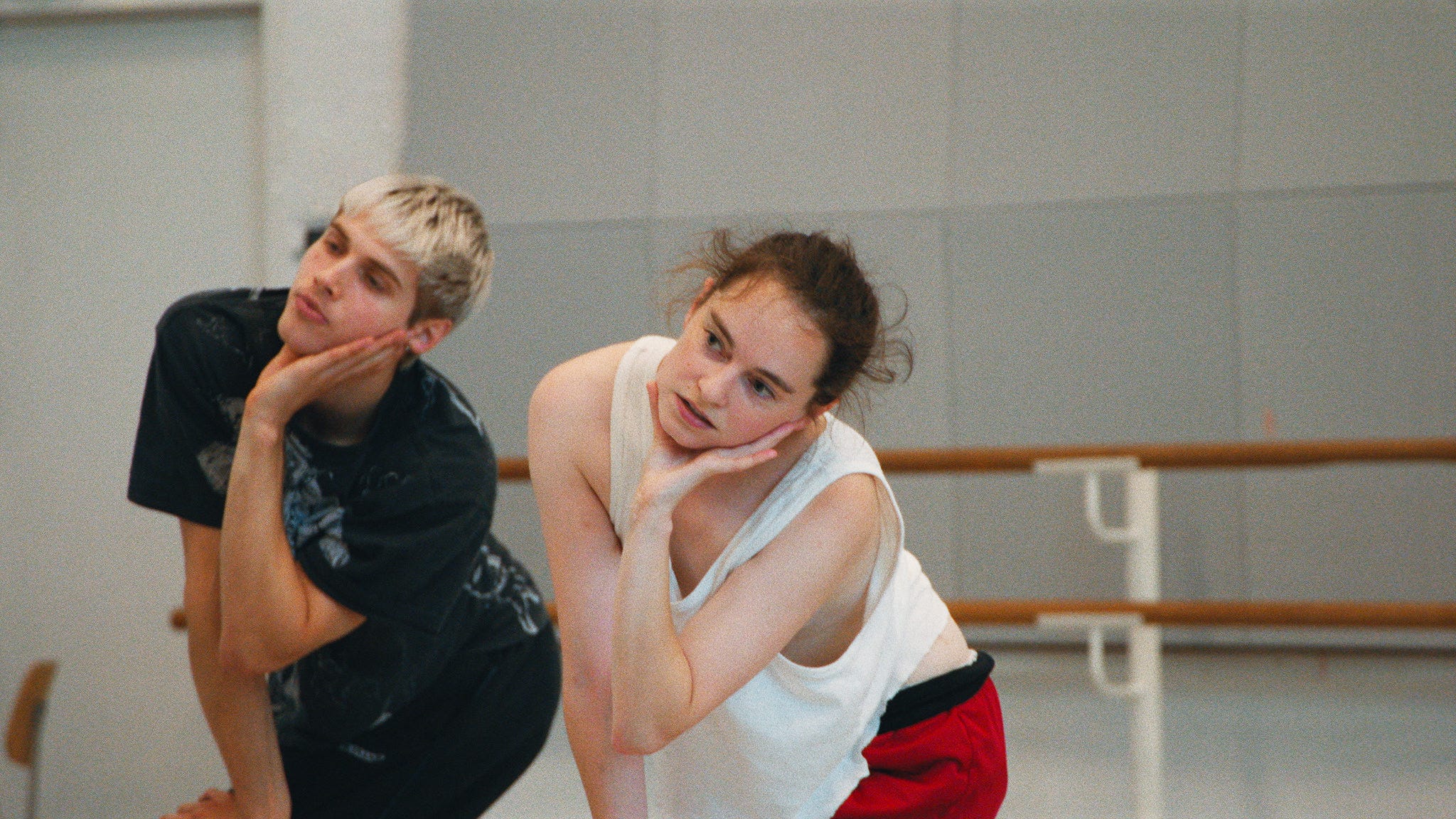
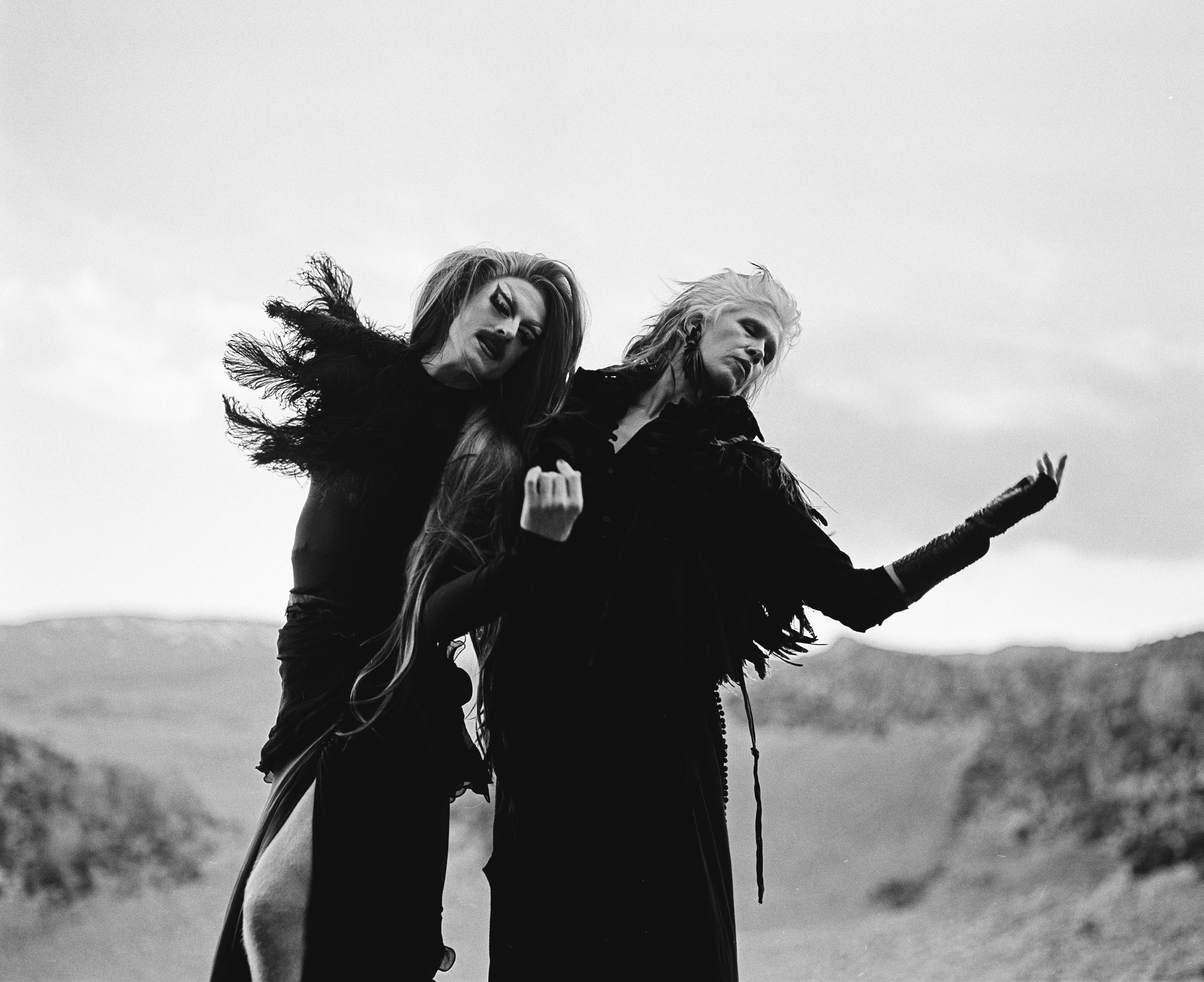
GS: We have so much great stuff. We’re doing a program called China Moves, which is focusing on Chinese filmmakers, Chinese films. That’s been a few years coming. All of these are world premieres. We’ll have Xin Ying from Martha Graham [Dance Company] with us in San Francisco; her film is in that program, so she’ll be part of the Q&A.
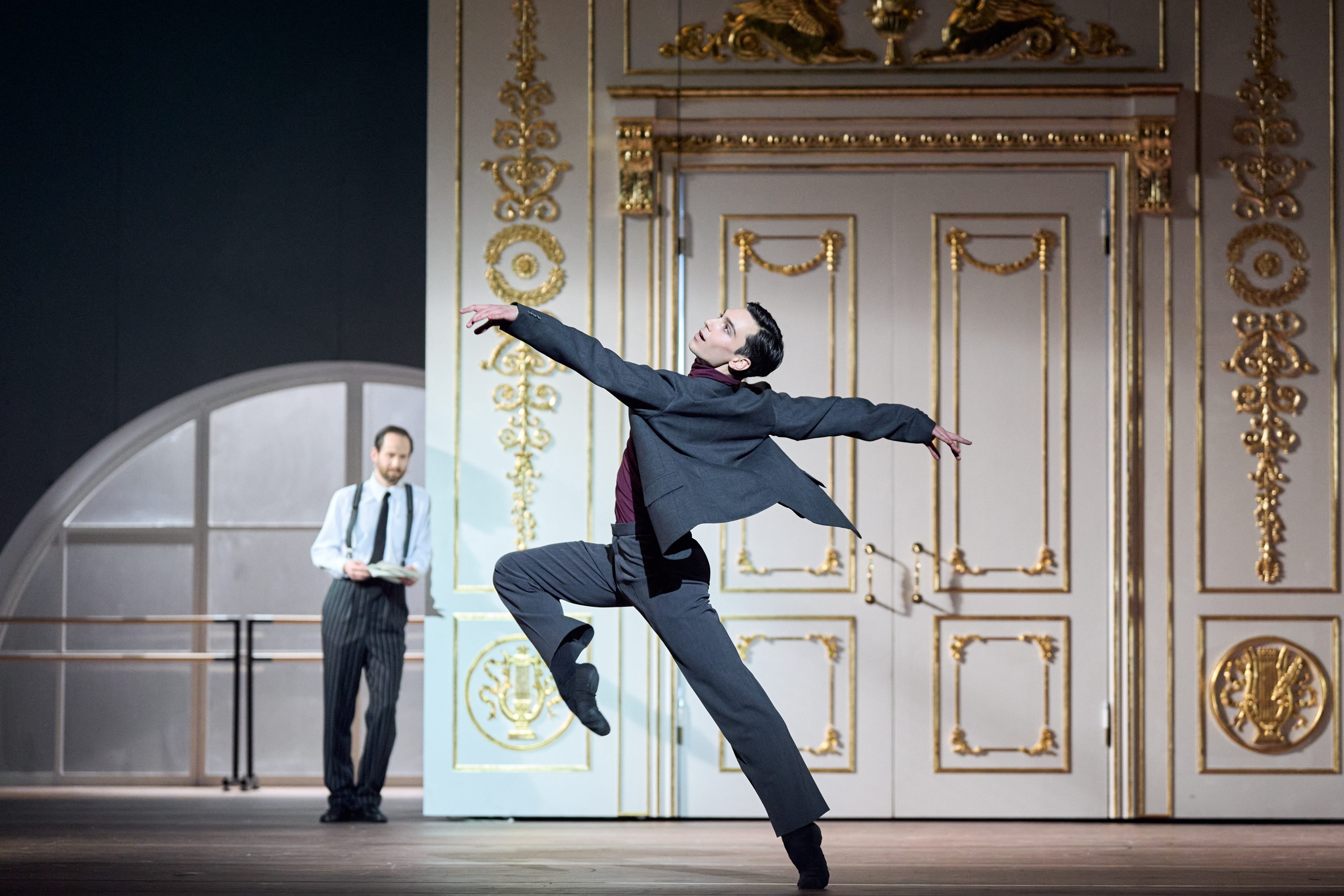
I’m excited about Nureyev because it will be the North American premiere. This is the [Deutsche Oper Berlin / Staatsballet Berlin] production of [stage director] Kirill Serebrennikov and [choreographer] Yuri Possokhov’s narrative, which is just a gigantic production. It’s a huge cast on stage, and it will never tour—it’s impossible to tour that. People are very curious about it, and for me, bringing Nureyev and his legacy to San Francisco—he had a very special relationship with San Francisco. He performed here a lot, and I think it’s a really beautiful and compelling production. That kicks off our fest on October 23, and we’ll have Ilya Demutsky, the composer, with us. Dana Genshaft will be with us, who staged the work with Yuri in Berlin in the spring. I’ll be moderating a Q&A with them about the process and the work itself.
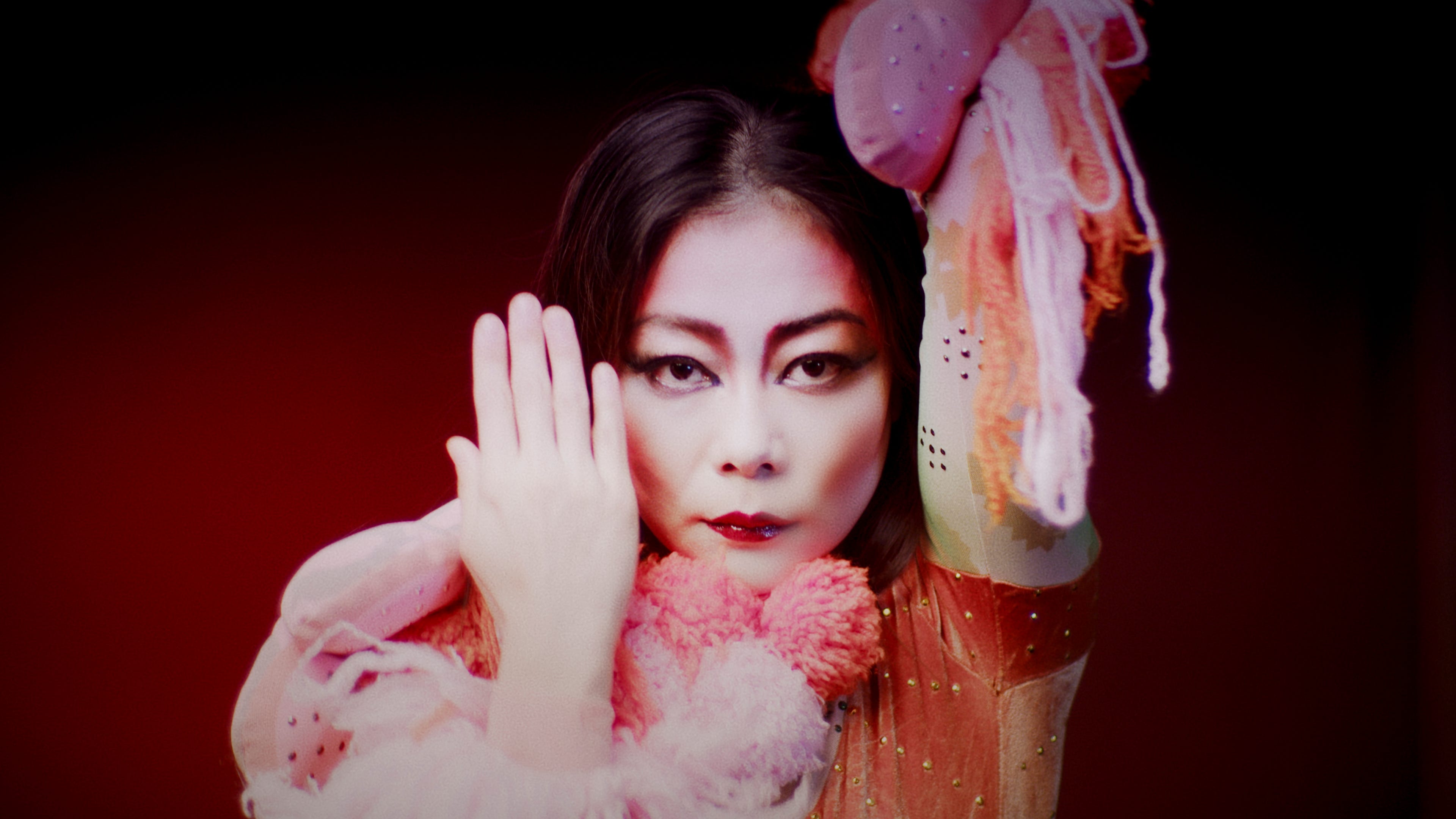
We have the world premiere of Otter Lake, which is a feature documentary about choreographer and dancer Emma Portner. It’s a very revealing, intimate and vulnerable film about her life. We have a film called My Benjamin, which is a really beautiful portrait of a dancer in the Paris Opera Ballet, Benjamin Pech, who is at the end of his career, about his final moments as a dancer and how he chose to retire.
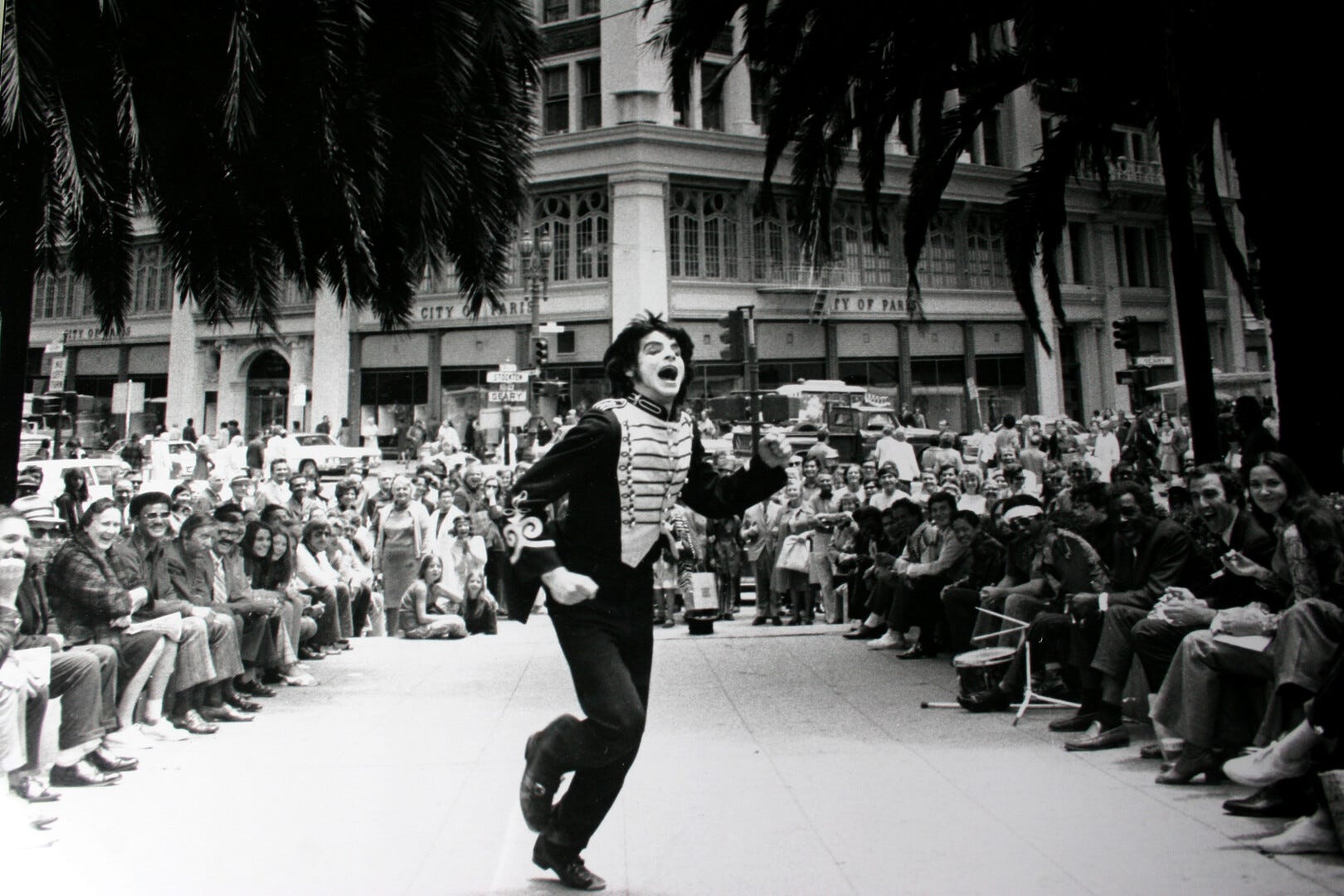
We have our music video program again, which was a huge hit last year. And we have our screendance program. We’re bringing back Leap!, which is part of our kids programming; it’s free for the community, so we have great turnout. It’s just full of kids jeté-ing around the lobby. Robert Shields: My Life as a Robot is a special story that has a San Francisco beat to it. I mean, he was on the streets performing and busking [and doing] the robot before he got his syndicated show [The Shields & Yarnell Show, with his wife and fellow mime, Lorene Yarnell] on CBS.
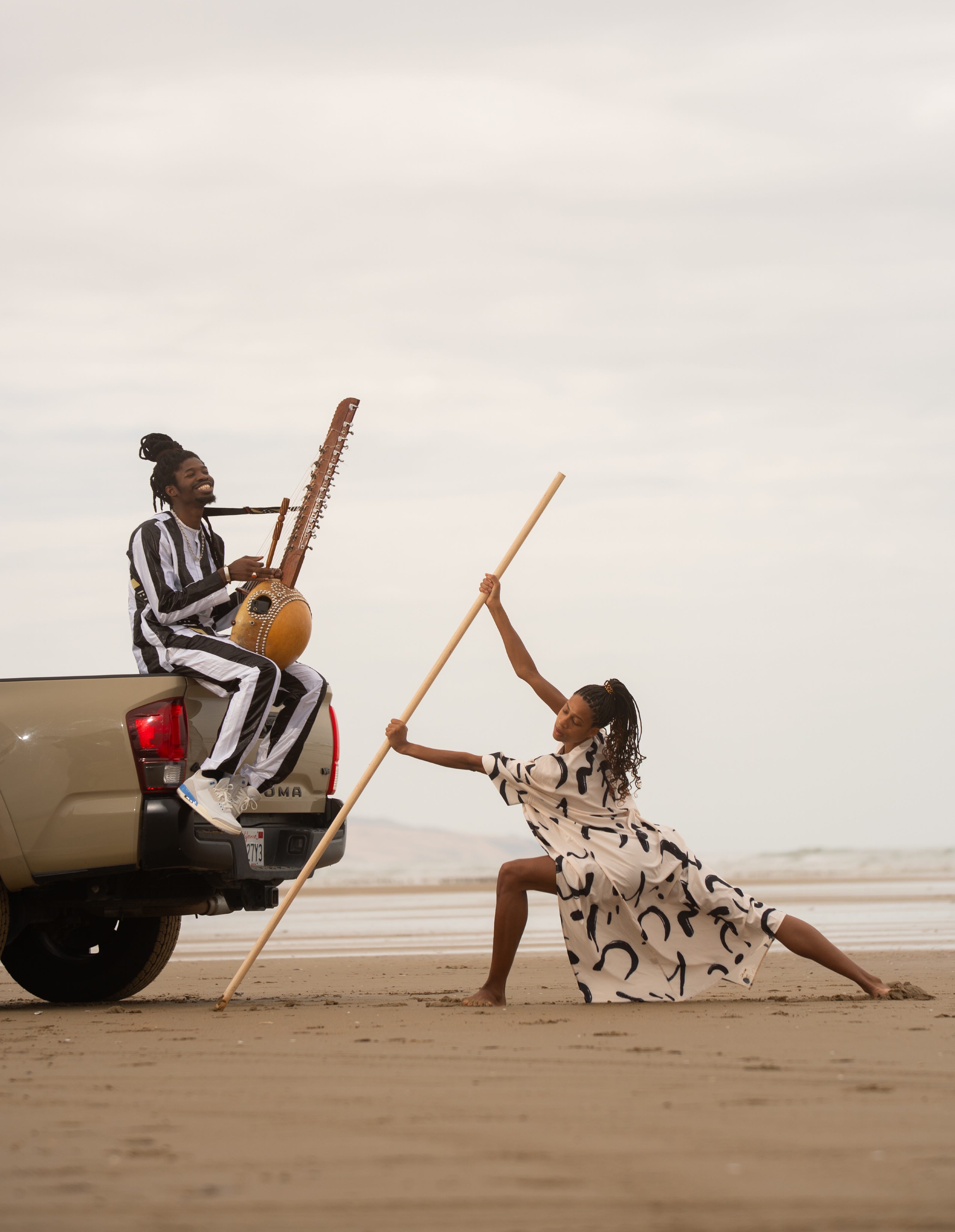
One big thing I wanted to mention is that the Sightline program, which is super important to me, also commissions films. We have a brand-new film [Griot] that will premiere in our Bay Area shorts program, created in part by Adji Cissoko, who’s the associate artistic director of [Alonzo King Lines Ballet]. It’s a beautiful film [about Youba Cissokho, Adji’s cousin and a 72nd-generation master kora player from Senegal] that we’re in the edit of right now. And we have another film that we are premiering next year in collaboration with All Arts about [Lines dancer] Babatunji Johnson.
CB: Oh, cool! He’s amazing.
GS: It’s a short, but it’s about his life, his upbringing, and how he became a dancer. I think it’s going to be a very, very special film. We work with filmmakers to produce those projects, to make sure that they have the support they need to get them done.
CB: You have very expansive programming. As you’re sorting through the 500 submissions for the year, is there a balance you have to strike between quality and representation?
GS: Yeah. We get submissions from a very wide array of makers of artists, filmmakers, performers and cultures. I think the work itself is very representative, and when good work comes forward, it deserves to be seen. We make programming decisions based on balance and quality. Who wants to come see this? What deserves to be seen? Sometimes you can put a film in that you think, this is excellent work and really should be seen. If it was on its own, I don’t know how many people would buy a ticket because they might not connect this logline with something that they would want to see, but they should, and they’re going to like it afterwards.
CB: But half of them are ballet films, right? Because certain companies are going to have the budget to produce something spectacular, but you want to have contemporary dance in the mix, you want to have different cultures represented. I’m just wondering if hard decisions have to be made.
GS: Yeah, and you’re right. You talk about ballet. There’s always more ballet content than we can present for sure, and so we’re always working on finding the right mix, because we do want to represent all dimensions of the dance world.
CB: What are you envisioning for the future of the festival?
GS: We’re working very hard on finding institutional support for our Sightline program. I think filmmakers just need help getting their work done, because it’s very expensive to make film. [Film] lasts forever, that’s the advantage, but finding someone to write a check to be able to produce a film the way you want to is challenging in this environment. Most of the things that are getting made have famous [intellectual property] connected to them—it’s Harry Potter, it’s Marvel, something like that. And as you mentioned, the dance companies have a little bit more support. But they’re losing their funding too, so it’s not easy in any part of our field.
I’d really love to find some larger sources of support so that we can have a sustainable effort to support 5 or 10 filmmakers a year who have a great idea, or even a film that’s in the can, but they can’t do post-[production] because they’re missing $25,000, or they need $10,000 for the for the rights to the music. I think that’s a huge area of growth, because for many years, through the Co-Lab program and Sightline, we have been producers of new work as well as a platform to amplify the work of filmmakers around the world.
For information and tickets, visit the SFDFF website.