
Christopher Charles McDaniel
Dances Patrelle’s new director on leadership, service, and doing ballet better.

Christopher Charles McDaniel has a rather long to-do list these days. In June he was announced as the new artistic director of Dances Patrelle, succeeding the company’s late founder, Francis Patrelle. In May, McDaniel and Steven Melendez, a retired international principal dancer and the former artistic director of New York Theatre Ballet, announced their community-engagement arts consultancy, Troublemaker: Public Works, and its pilot program, Inspiration Point(e): Technique to Creation, a free, ballet-based program for children in Hunts Point, the Bronx. McDaniel is also an adjunct professor of dance at Northeastern University’s New York City campus (formerly Marymount Manhattan College), a freelance teacher at Steps and Ballet Academy East, and a freelance rehearsal director for BAE and Dance Theatre of Harlem.
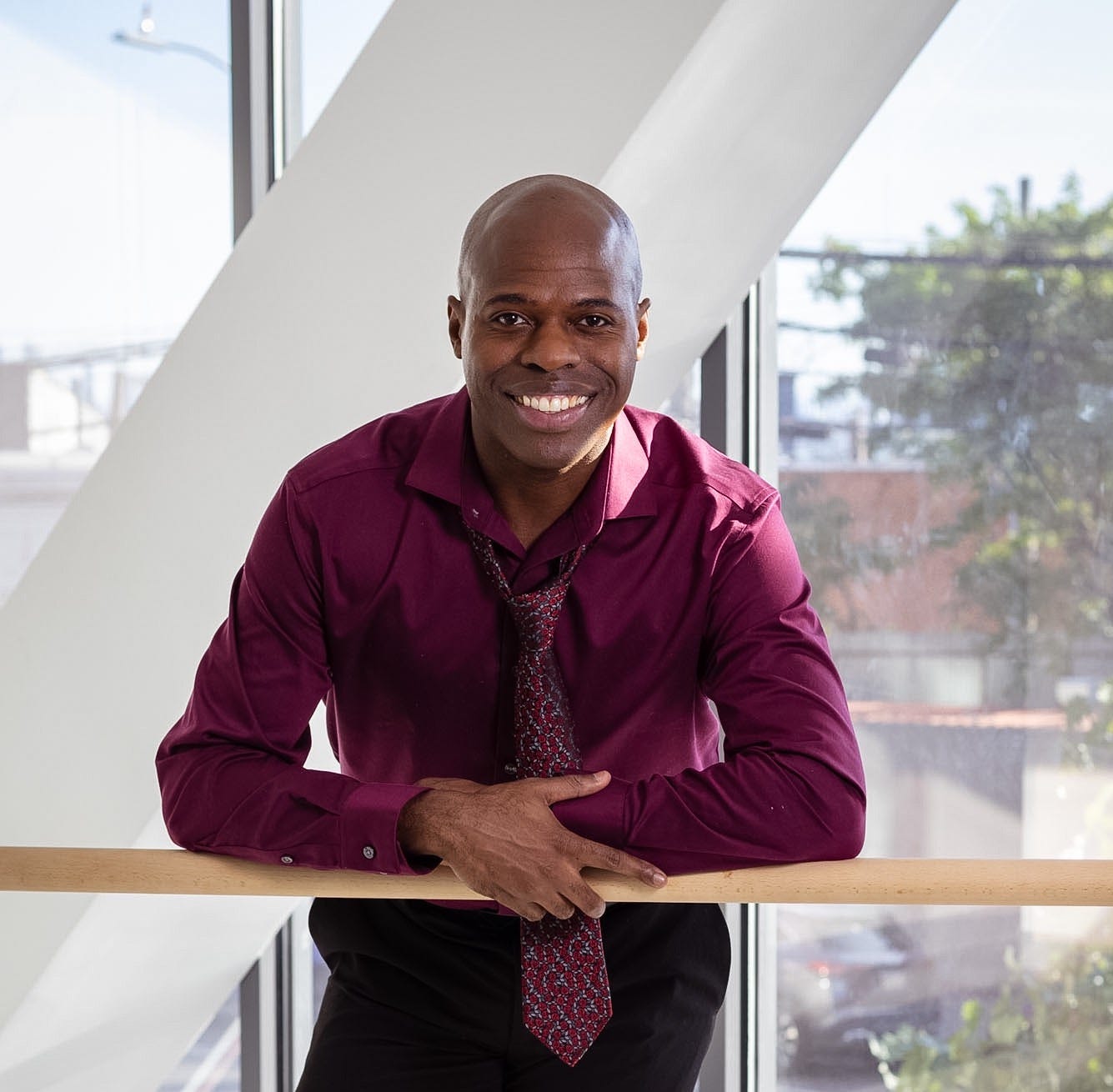
Born and raised in New York City, McDaniel has devoted his life to ballet since age 10, when he enrolled in his first dance classes at DTH, where he trained with founder Arthur Mitchell. At 16, McDaniel enrolled at BAE, where he met Francis Patrelle; he graduated from Fiorello H. LaGuardia High School and trained further at Boston Ballet. McDaniel danced professionally with DTH, Los Angeles Ballet, and Ballet San Antoinio, and he’s choreographed for numerous companies and schools. He also started teaching while still a performing artist—his résumé includes faculty positions at the Debbie Allen Dance Academy, Los Angeles Ballet School, and the Ballet Conservatory of South Texas, and he was the first non-alumnus of color to join the permanent faculty of the School of American Ballet.
Ballet is more than a career for McDaniel; it gives him a deep sense of purpose. Learning from Arthur Mitchell was a formative experience both personally and artistically, and Mitchell’s mission of service still permeates McDaniel’s perspective. In the multiple roles he now holds, McDaniel strives to model an empowerment-based version of ballet, to set a high standard of ethical leadership, and to advocate for diversity, equity, and inclusion. We spoke over Zoom while McDaniel was in Carlisle, Pennsylvania, teaching at Central Pennsylvania Youth Ballet (because he didn’t already have enough going on).
Follow @christophercharlesmcdaniel and @claudiabauer101 on Instagram. For tickets to the 30th anniversary of Dances Patrelle’s The Yorkville Nutcracker, visit the company website.
Claudia Bauer: Congratulations on all the things! Pretty much every day I get a press release about a new thing you’re doing. I know that being an artistic director has been on your wish list for a while, so it’s exciting to see that come true for you.
Christopher Charles McDaniel: It’s so funny. I’ll have this idea and I’ll write it down, and I’m like, “I guess I need to send this to the director and make sure it’s okay.” And then I’m like, I am the director.
CB: How do you manage it all with only 24 hours in a day?
CCM: It’s a good question. I’m big on putting everything in writing and having everything in a calendar. I literally put blocks in different colors—these four hours I’m working on Dances Patrelle things; here’s my Troublemaker stuff. I color-coordinate things so I can switch gears and focus.
CB: Tell me about your history with Francis Patrelle.
CCM: I met Francis in 2006 when I auditioned for Ballet Academy East. I was brought to BAE by Ariel Rose, who was my best friend at LaGuardia High School. Francis always considered him the Dances Petrelle baby, because literally Ariel’s mom was pregnant with him while she was taking Francis’s class, and Francis was his first ballet teacher. When I got to BAE, Darla Hoover and Francis were the two people who I felt closest to.
I’d grown up at DTH, and I got into the highest level in the school. I was in a predominantly Black space, and then [at BAE] I was the only Black boy. Although everybody was nice, I was a fish out of water for a second. But Francis was like, “This is going to be an amazing school for you if you keep working the way you work. Don’t work too hard, though—you have to remember that you love dancing. In my class, you need to remember the waltz is so important.” He made a point to communicate those things to me. He wanted me to perform in The Nutcracker because he felt like I needed to perform more and I needed leading roles. Francis was like, “There’s some roles in The Nutcracker that I think you’ll really find fun, and you’ll grow.”
I was also dealing with a lot of issues with my family, in terms of them wanting to control how much dancing I did because they felt like it was taking me out of church. Francis was like, “Listen, if you’re going to be a dancer, you’re going to have to fight with them a little bit, and it’s unfortunate.” He did everything in such an appropriate way. “You’re not doing anything bad. You’re not rebelling against your family. You’re dancing, and this is something beautiful. Do you want me to talk to your family?” He always offered, but my family never even came to BAE. They never came to any shows. It was always this thing I did on my own. Since I was 10, I kind of had to manage myself. So Francis and I just developed a really good rapport. He was always so generous with me.
CB: What did you learn from him that’s informing your leadership of the company?
CCM: For one thing, that you don’t have to holler and scream at people. When he would give a correction, he would say, “Honey, I’m not hollering at you,” and then he would give you the note. Because he didn’t want you to associate a correction with being told you’re bad or you’re doing something wrong. It was always him trying to get the best result out of you and keep the room pleasant. He would start every class by saying, “Does anyone have anything new and positive to share?” That was really impactful.
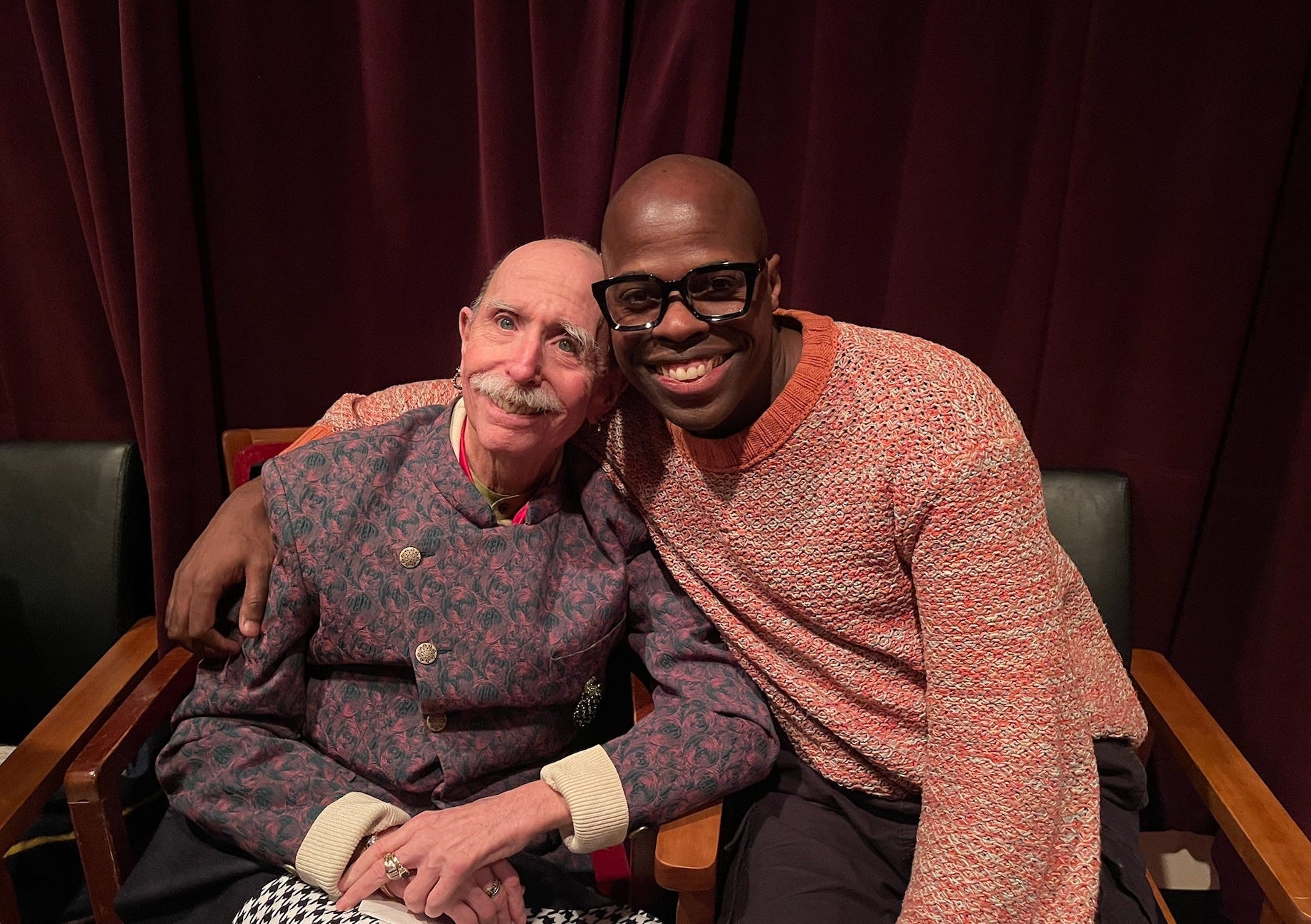
I have my own things that I do with the students. Like we all give ourselves hugs and take a deep breath, because I think, especially in New York, when we’re running in and out of trains and stuff, you get to the studio and your brain is still somewhere else. Take a minute. Everybody get grounded. Let’s set the atmosphere for something beautiful to happen. We’ve showed up, we’re going to do the work, but we’re going to love ourselves in the process.
Also, his generosity in understanding that dancers came in all different phases of their lives and careers. You’ve got children being coached and to grow and do something beautiful. But you also have adult students who are being rewarded for their commitment to class. That’s a really big thing for me, especially as we have all these conversations about diversity, equity, and inclusion. A lot of people have jumped off that bandwagon, if you will, but I’m still committed. It’s not just about skin color—it’s, you’re an older dancer, is there space for you in what we’re doing? I think yes, because you’re taking class and you’re showing yourself. Why not put you on stage?
Francis was really good about finding stories to tell, and telling them in a way that was affordable, and manageable in terms of the amount of dancers. I have some ideas that I’m working through.
CB: New leaders usually bring a fresh perspective. Are there changes you want to make?
CCM: For sure. I want the company to be more active in the community. As a nonprofit organization, we have the blessing of being able to get funding to go and serve. Arthur Mitchell always said that to us—we’re in service to the art form. And having all of this rich repertoire that Francis made, it will be great to into public schools, community centers, senior citizen homes, hospitals, church events, things like that. There are festivals and dance conferences happening throughout the city and the country, and I want to be able to participate in more of those.
I don’t want dancers to just do The Nutcracker and maybe a spring season; I want there to be opportunities for the dancers to grow more. Francis was big about classical ballets and story ballets, but nowadays everybody’s repertoire is more eclectic. I don’t want to go too far off from classical and neoclassical works, but I also want to explore bringing choreographers in who can look at the dancers we have and challenge them. Oftentimes ballets are produced to impress the critics and the audience, and that’s not a bad thing—that absolutely has to happen because that helps with ticket sales and funding, I just don’t want us to push the dancer perspective away. Looking back at our alumni since 1988, a lot of them have gone on to choreograph. Bringing those people back would be great.
CB: Speaking of service, you also have Troublemaker. What are you and Steven Melendez hoping to accomplish?
CCM: I have to go back a little bit. A couple years ago, when we came out of the pandemic, I built this ballet studio in my grandma’s apartment in East Harlem. And I said to myself, “You’ve always wanted to have dance programming, and it has to start at home. So you need to just do it. You’re well connected; see if people will donate to help you start something.” I had no idea what I was doing, so I reached out to a few people, and one of my like supporters from DTH way back in the day immediately was like, “I believe in what you’re doing. Go for it.” My thought was to start the East Harlem Dance Collective and offer free dance classes in schools. Last year, I started to feel that itch again; like, I need to be doing more, I need to be in leadership, I need to be purposefully affecting people who look like me. I reached out to some more folks. One of those people connected me with Danse Mirage, and they give grants to teach children the art of choreography. They connected me with a team of consultants who helped me start what was going to be McDaniel Arts.
I’d known of Steven for years, and we realized that we were very like-minded. I watched the film LIFT, that centers him and his story of growing up in Hunts Point and in the homeless shelter, and bringing dance back to them. I was like, that’s exactly what I’m trying to do. I was getting a little discouraged with the rigmarole of starting a nonprofit, and I felt like my brilliance is more in the studio and in interfacing with humans, doing that artistic work. Steven flat-out says to me, “I love the strategic planning and the organization and meetings. If we could bring our brains together, we might be able to do some good stuff.” He was already in the process of launching Troublemaker. The two of us separately had been consulting in different organizations on DEI, ballet pedagogy, and stuff like that. We have a consultancy that does that.
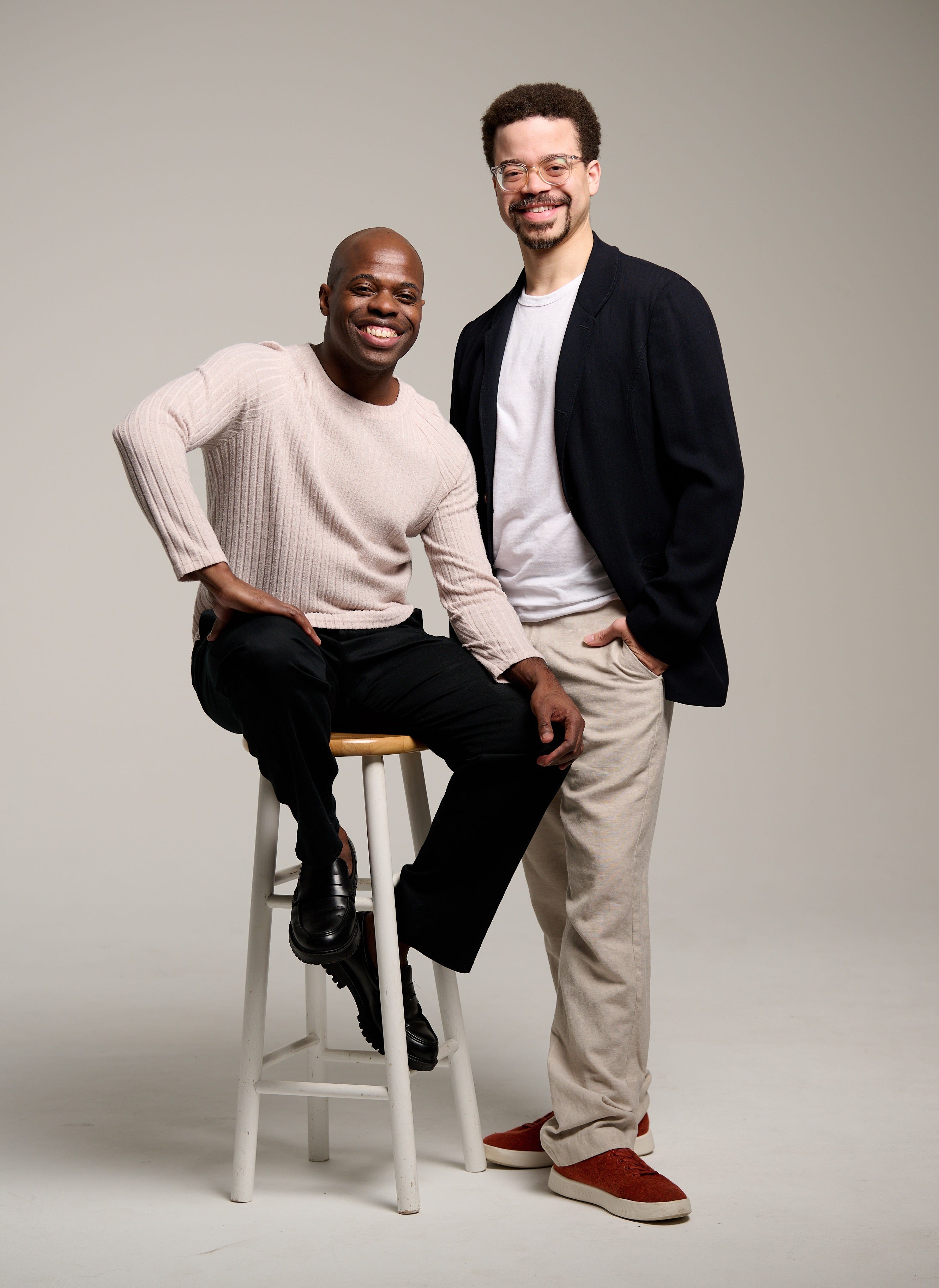
I’m really excited because I’ll be able to teach children basic ballet technique, but from the lens of them using it to create their own dance. They’ll be part of the conversation. They’ll get to pick their music based off of a selection of pieces that we got from the composer David Israel. We’ll teach them the basics, and then they’ll have a choreography lab. “We’re learning about formations today. I want to see if you can take the steps that you’ve done and put them in a diagonal. And now we’re going to talk about canons. How do we get a canon?” They’ll learn about costuming, they’ll learn about lighting, they’ll learn about choreography, they’ll learn from dancers. And also teaching them how to document their dances, because that’s I do—I’ll have a spreadsheet with time stamps and counts and everybody’s entrances. I want to pass that on to these kids so that they can then fall in love with the art form. Maybe they go on to dance, maybe they don’t, maybe a seed is planted that they want to be involved in the arts.
CB: You’re engaging with them as whole beings and encouraging them to grow in multiple dimensions.
CCM: Yeah. And also, I’ve been trying to express to people that I’m not starting a school in Hunts Point. There are already some dance programs there, programs that are offering kids introductions to ballet, and we’ve been really intentional about connecting with those folks. If there are kids who come to us who express interest in dance, well, Steven and I are literally two of the most connected people in the city. So, let’s connect you with a school that has a scholarship. Or find the right fit—we know the people who can help your kid find their way.
So often people want to keep kids to themselves and take credit for their development. I’ve never really been interested in that. I like the collaborative nature that can happen when we all understand that everyone has a brilliance that they need to be able to do. Also, identifying the right environments. Children who grow up in certain communities don’t thrive in environments where they’re not going to be seen, or where it’s a little too stuffy, or where there’s no family vibe, if you will. So, being intentional about that is important too.
CB: As long as I’ve known you, one of your highest priorities has been care for children and young dancers. Did training with Arthur Mitchell plant seeds that are coming to fruition in the things you’re doing?
CCM: For sure, yeah. Because Mr. Mitchell was a man on a mission. He was like an engine roaring. He was ready to get it done, whatever it was. And though he could be really rough at times, I never felt like he was doing it because of his ego, or because he wanted praise. I felt that he really believed in the power of the arts to change the lives of the people who were affected by it. So the standard had to be sky high. There was there was no room for mistakes or lollygagging—either you were in or you were out. Nowadays we’ve taken a softer approach, which I’m grateful for.
He never stopped trying to grow and be better. He was always thinking of ways to increase what the company did, or what the school was able to do, or how much we did as students. I think about that, and every day I remind myself that I’m in service to the art form. That’s what keeps me from allowing the anxiety about the world to come into the studio. I could have a really crappy journey to the studio, but when I get there, I’m like, okay, I’m in service to the art form. Whatever I have to do to make sure these kids have the right experience, that’s what I’m going to do. It takes a lot of work, but he’s constantly a force in my brain that’s like, all right, how do you get the results in the best way? There is also that example of, “At this point he would have told somebody off, but I’m not going to do that.”
CB: Up until recent years in the ballet world, harshness was a perfectly acceptable way for a leader to interact with people over whom they had authority.
CCM: For sure. It really doesn’t breed the results that I want. I think sometimes people who become leaders forget that they were once dancers who had feelings, and I always keep that at the forefront of my mind because I don’t want anybody to go through some of the negative experiences that I’ve had, where you’re going down a shame spiral because some director had a bad day and now he’s saying whatever he needs to say to you to break you down.
I don’t think we have to break people down in order to build them up. I think we can identify things that need to change and say to them, “You’re a little bit late for class every day, and it’s affecting the way that you’re able to bring your body into the work. I want to encourage you to be on time, or you’re not going to see the results that you want to see, and then I’m not going to be able to cast you the way that you want to be cast. The choice is up to you.” Maybe, we call out the behavior and not make the person feel like they’re a piece of crap.
Like with [DTH founding artist and former artistic director] Virginia Johnson. She’s the most soft-spoken person I’ve ever worked with. She would be like, “Well, you know, Christopher, I think what you’re going through right now is important, and I still need you to show up,” not “I don’t care what you’re going through.” I’ve had such good examples of people who took the extra energy to get through to me the right way. And I’ve had examples of the people who were like, “We’re going to tear them down.”
CB: That goes back to what you were saying about Francis—feedback and corrections as an additive experience, rather than stripping away somebody’s dignity or getting them to capitulate. It’s motivating them to be their best self.
CCM: As I teach younger students, I’m like, “You see that you have some power in this, right?” I can tell you to hold your seat and use your stomach and spot your head, but if you don’t do it, I’m just talking. You have a vested interest in your own improvement. I tell them, “You can come into the studio and make a choice today: ‘I’m going to be so on the music. That’s my intention today, is to be the most musical.’” Now you’ve participated in your improvement. And then at night when you go through your gratitudes or you go through a list of things that went well, you can give yourself a pat on the back. Of course, you thank your teachers and all that, but I want dancers to understand, you have a lot more power than people want us to believe.
CB: You’ve been on all sides of the ballet world: teacher, choreographer, student, dancer, community engagement, pre-professional schools, university, and now artistic director. When you look at the dance ecosystem through this multifaceted lens, what do you see? Where is it succeeding, and where is it failing?
CCM: First of all, thank you for saying that. I just had a moment where I got to be like, oh yeah, cool, it’s like this 360. What I see working well is that people are able to say our art form matters, and there’s a lot of passion about defending the art form, right? For example, with the whole Timothee Chalamet mess, everybody was like, “No, look at us. We love ballet, and we’re great at it.” I sat back and I was like, “Yeah, well, if we love it so much, all of the internal issues that we have going on, we need to address those before anybody else can say anything.” Growing up, my family would say what happens in the house stays in the house—you don’t talk about it outside. But then it needs to actually be dealt with at home.
So we’re talking about the world body-shaming dancers or racism and things like that, but we have it going on within our companies and schools. That’s on us to fix before anybody outside says anything. We know that we have ballet masters still telling dancers they can’t do certain roles because they’re too dark, or they’re too thick, or they’re too busty, or I don’t like your hair. This is where I think we fall short, because we don’t like to address the real issues. Sometimes it’s just us wanting to protect our sacred thing that we love, so we don’t want to focus on the negative. We’re allowing people because of their age or their old-school mentality to continue saying offensive things, and we’re like, “She’s from an older time, and we just let her”—no, because that still affects a kid, that still affects some other faculty member or ballet associate. We need to really get clear about our identity and our values, and be consistent with them.
CB: You’re saying that ballet needs to hold itself to the same standards that it holds outside people to, and not be hypocritical.
CCM: Exactly, exactly. I think there’s a lot of BS, for lack of a better word. We know that some things are just not right, and I really struggle with someone saying, “Oh, you know what? We are inclusive. We love people. We want people to feel safe.” And then unsafe things happen, and we do not hold anybody accountable. I think it happens so much within the dance world. Dancers being fired or released without knowing exactly why, no forewarning, no way of repairing. Casting being manipulated. And dancers still feeling afraid to speak up.
On the flipside, dancers are a lot more vocal about what they feel, but no one is teaching them how to use their platform to call things out in a way that’s not just, “Burn the whole house down.” There’s so many more conversations we could be having about, “Yes, what your director did was wrong, and here’s how I want to encourage you to handle it”—versus “I’m going to go on Instagram and shame my entire company and embarrass my friends and colleagues and the leaders and the donors and the board members, and then wonder why no one wants to work with me.”
We’re all seeing it, but nobody’s saying anything about it. We talk about it to each other when we’re out having coffee or drinks. But who goes to that dancer and says, “I’m sorry that you went through those things. If I can offer you some support here, I think when you go in to talk to leadership, maybe address these things this way versus going public, because that is still your [ballet] company. If things didn’t go well, then you need to find a lawyer or a union rep. But don’t go to social media.”
CB: Are there ways in which the dance world or the ballet world, whichever you prefer, is doing things right?
CCM: My first thought is who we’re seeing on stage. We’re seeing a lot more diverse people. That’s a beautiful thing. Seeing flesh-tone tights and shoes, hearing that dancers who were told they couldn’t do certain roles have now been put into those roles. Different things as it pertains to gender identity. In the ballet world, I’m seeing a lot of those things start to shift, and I think the conversations around those things have shifted in a in a positive way. People are willing to have more conversations, which is a good start.
CB: What are some things that every school can do to take steps towards moving the dance ecosystem forward?
CCM: I think each school should get more training for their faculty—professional development as it pertains to ballet pedagogy is important. Training faculty and teachers and community members about different personality traits of students, different neurodivergencies. Make it a part of the training. We bring in specialists to talk about the dancer’s diet or physical therapy; let’s prioritize mental health as well.
Let’s also prioritize that when children come into the room, they’re not expected to just be submissive and do what they’re told, but teach them how to be empowered to do what they’re told. Not, “I’m doing what I’m told because I was told to do it,” but “I’m doing what I’m told because I’m learning how to be a better dancer. I’m learning how to be a better friend, learning how to be a better world citizen.” I think it starts when they’re six years old. Not, “Don’t swing on the barre because I said so,” but “Don’t swing on the barre because it’s dangerous. You can pull it over, it could hurt you, and it could hurt somebody else.” Now you’re responsible for the safety of somebody else.
Prioritize thinking of the long term and the bigger picture, remembering that not all students are going to end up as dancers. Even if they’re the worst kid you’ve had, that worst kid could still be the usher who’s going to welcome someone into the theater, and we want that person to care enough about the art form that [audience members] have a great experience because of their welcome. If schools thought bigger about our responsibility, we could really shift the way that this art form is viewed—less like this pretty, fun thing that children do, but something that’s going to shift the way that they see the world and see themselves.
I really feel strongly about that because I’ve worked at so many amazing schools, and a common throughline is that if more schools took the approach of, hey, in addition to us training you to dance, we want you to be good people, and being good means having integrity. Even if nobody is watching, are you going to defend that person who’s being bullied? Are you going to call out the foul language that someone is saying in the dressing room? Are you going to hold your friends accountable because we have standards to uphold?
And are you going to be empowered that when your teacher says something wrong, to find a respectable, “Hey, Mr. Chris, I didn’t like when you called me that nickname. That made me feel bad, and I know maybe it wasn’t your intention, but I didn’t like that.” Are we empowering kids to hold us accountable? I don’t think we are, frankly. I think we say we are, but the second something happens, teachers are fired. I wholeheartedly think that if schools got real about that and had their faculty go into therapy, had counselors for the students and the faculty alone—everybody can benefit from sitting on the couch. I sit on the couch every Friday. We’ve all been through stuff that affects how we lead.
When you’re in front of the room and you’re overstimulated because you’ve got twenty 7-year-olds, are you going to yell at them and scare them, or are you going to find another way that calls them into attention and reminds them that they have a responsibility? When you have a [school] handbook, you can put language in there that holds everybody in the community accountable, and adjusting the language in a way that protects everybody is so important. Because we’re in a time now where if it’s not written down, people can say, “I didn’t know that, so my kid is not in trouble for that.” We need to get clear about everything, put stuff in writing, adjust it as needed, have the conversations, have high expectations, and hold everybody to the expectations, faculty included. Everybody needs to be reading and growing and watching and thriving.
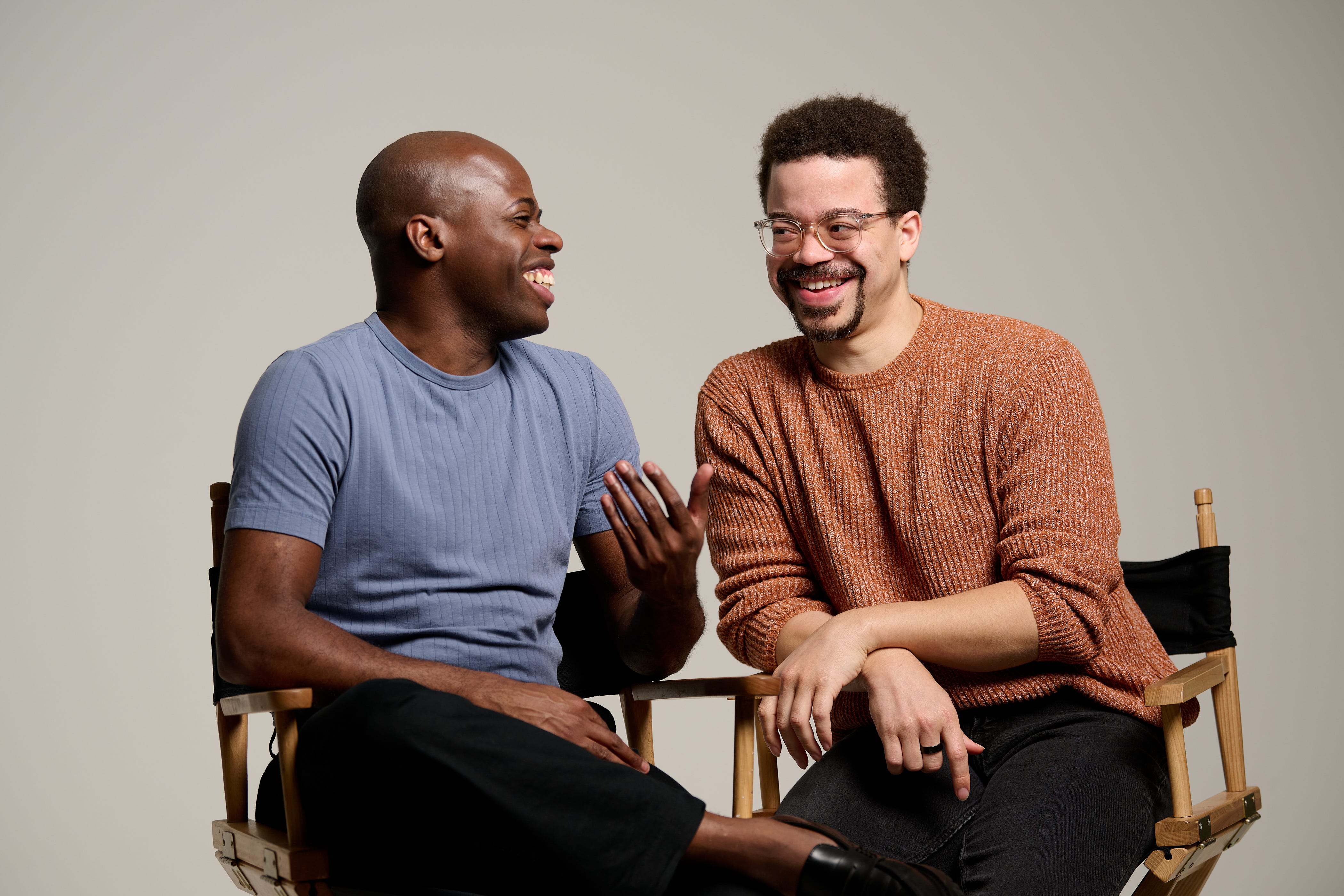
CB: Some people get into the dance world because they want to be artists and perform on the biggest stages in the world. Other people want to be choreographers or musicians. What would you say your core motivation is?
CCM: My core motivation now is to make people’s lives better. I look at how I grew up in East Harlem. I joke that there were six of us in a two-bedroom apartment fighting roaches for cereal. I don’t think my grandmother would like that very much! [Laughter.] But I had every reason to go the wrong direction. My mom was strung out on drugs. My dad was in jail. My grandma was very busy with all the other kids. I was having my own struggles of coming out. The church that I was going to got really toxic and told me I was dancing my way to hell because I was doing too much ballet. Again, every reason to turn down a path of drugs and violence that was happening in East Harlem.
I remember Arthur Mitchell saying, if you teach children that sense of pride, they won’t mess it up. And—I think I might cry—but I’m such a perfect example of that because I just wanted to be good. That’s all I wanted. When I found ballet, I was like, “Oh my God, that’s the thing that makes me different. That’s the thing that makes it okay for me to speak a certain way and to hold myself a certain way. I can see myself traveling the world.” I never had a moment where I didn’t think it could happen because I was like, there are no other options.
Like you said, some people want to do big things, and some people just want people’s lives to be better. You can train like you’re going to be the next Gillian Murphy and not want to be Gillian Murphy; that rigor and that discipline can still add so much to your life. I’ve had so many experiences, whether it’s elite ballet training or community dance or adult dance, liturgical dance, jazz. Dance can add so much to everybody’s lives, and that’s my goal: to continue to be in service to the art form and let people know that if I can make it with my bad feet, my fake arches, and my wild family, I think everybody got a little bit of a chance.
Learn more about Troublemaker and Dances Patrelle.